Quiet Coastal Towns Near Whitby for a Haunted Break
 2 The Square, Grassington: Honest Verdict for Solo Young Travellers
Five North Yorkshire places where old churchyards, cliff paths and shuttered smokehouses do more for an eerie weekend than any ghost train.
Why the Yorkshire coast suits a haunted break
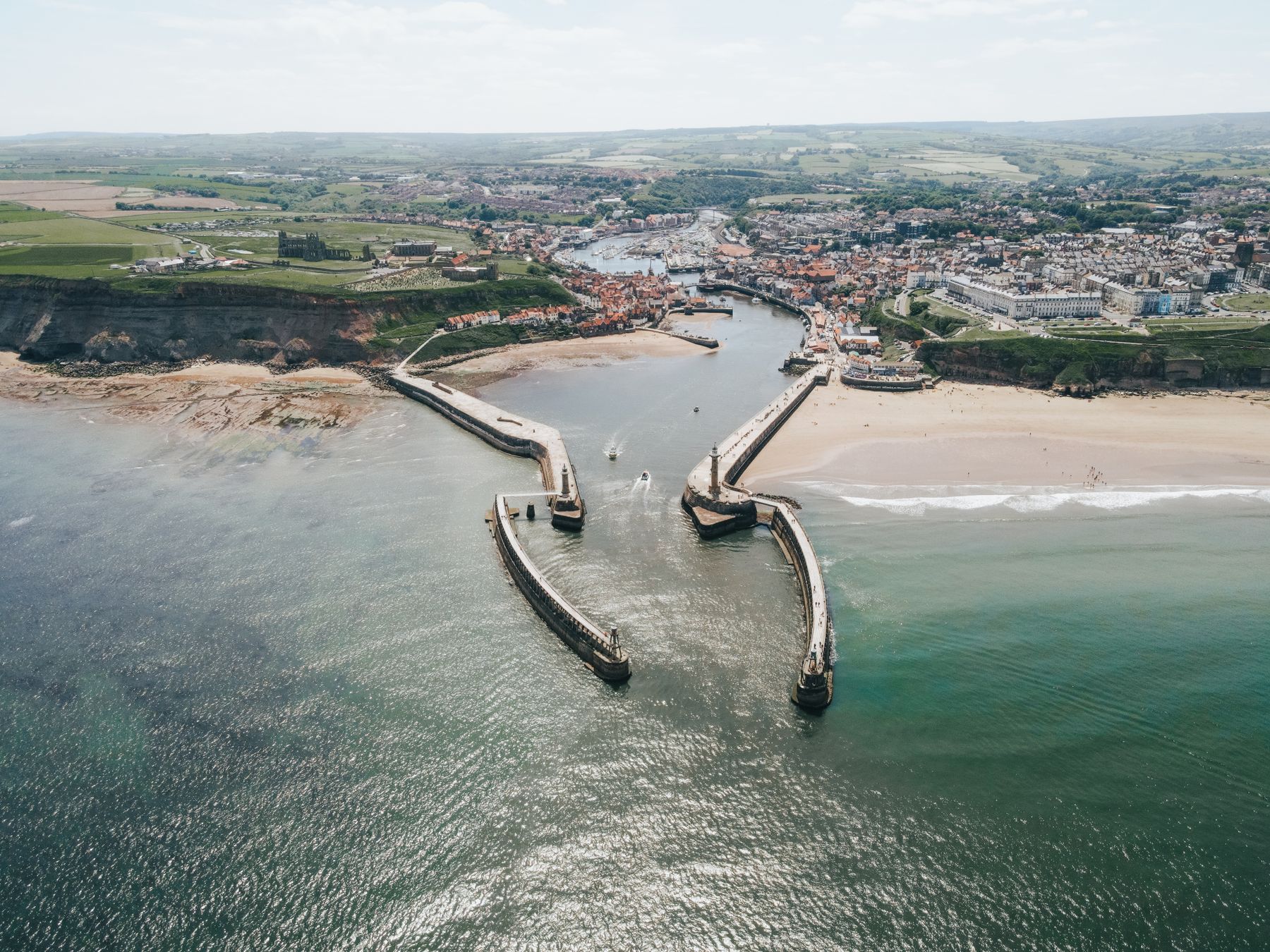
Whitby gets the ghost trade, and rightly so: the abbey ruins on the East Cliff, the 199 steps, the Dracula connection. But the stretch of coast either side is quieter and, for most people, creepier. Between Sandsend and Ravenscar you have Viking place names, drowned villages, abandoned alum works and ironstone mines, and churchyards full of nineteenth-century shipmasters' graves. Out of season the light goes flat and grey by half three, the wind carries the sea up the cliffs, and pubs fall silent early. That atmosphere is the whole point, and it costs nothing.
Base yourself somewhere central and travel out by day. Whitby is the obvious hub, with the most beds and year-round buses, but the quieter towns below are all within twenty to forty minutes' drive or a short hop on the Esk Valley line or the 840 Coastliner. Late October to March gives the shortest days and the fewest visitors; May and June are the opposite. Book early for the Whitby Goth Weekend weekends, when rooms across the moors fill up.
Sandsend and the mulberry harbour ruins
Sandsend sits a mile and a half north-west of Whitby along the A174, close enough to walk between the two along the old railway path when the tide is right. The village is a single street of fishermen's cottages, a couple of cafes and the long beach where the beck meets the sea. Its hauntings are of the practical sort: the concrete remains offshore are pieces of a Mulberry harbour unit, towed here in 1944 and never used. At dusk, with the tide low and the sea fret coming in, they look like the ribs of something large.
Stay here if you want silence and sea air rather than a ghost tour. There are a handful of guesthouses and a hotel on the front, but the village empties after dark and the nearest evening food is in Whitby. Expect to pay more than in the inland towns for a sea view. My pick for a two-night break is a seafront room here with dinner booked in Whitby; you get the quiet nights and the atmosphere without needing a car every evening.
Staithes, Cowbar and the cliff-top church
Staithes is nine miles north of Whitby, down a steep bank into a huddle of roofs and a harbour arm. It was a fishing and ironstone village, and the cottages crowd so tightly that the alleys between them are called ginnels. The old churchyard of St Peter's sits on the cliff above Cowbar Nab, holding graves of lifeboat men and miners, and the path up from the harbour passes it in a way that is easy to miss in daylight and impossible to ignore at night. The village has one pub and a few cafes; most cottages are holiday lets.
Parking is up at the top of the bank, which keeps the lanes car-free and adds to the stillness. Because almost everything is a self-catering let, a haunted weekend here means renting a cottage, not a hotel room. That suits groups of four to six and works out cheaper than Whitby B&Bs per head, though you lose the breakfast and the concierge. Skip Staithes in July and August if you want solitude; in February it is one of the most atmospheric places on the coast.
Robin Hood's Bay and Ravenscar, plus inland Esk Valley
Robin Hood's Bay, six miles south of Whitby, is a village of red roofs stacked above a lifeboat slipway, reached by steep, cobbled paths. The old village was hit by a storm in 1780 and parts have fallen into the sea since; the churchyard of St Stephen's has graves of sailors lost on the coast. Above the bay, the Cleveland Way runs south to Ravenscar, where the cliff-top village was planned as a holiday resort in the 1890s and never built. The disused railway tunnel and the alum works below give the headland an abandoned feel.
Inland, the Esk Valley line from Whitby stops at Grosmont, Lealholm and Castleton, each with a station, a pub and little else. Lealholm's stepping stones and riverside churchyard make a good half-day, and Grosmont's engine sheds are worth the trip even if you have no interest in railways. Book a hotel in Whitby or Pickering and treat these as day trips. The Coastliner 840 links Pickering, Whitby and the coast, so a car is useful but not essential.
What to skip and when to go
Skip the organised ghost walks in Whitby if you want quiet; they run nightly in season and the streets are loud. Instead, pick a low tide at Sandsend or a late-afternoon walk from Staithes to Port Mulgrave, where the cliff path passes old ironstone workings and the harbour ruins. Avoid driving the A171 over the moors in fog; the Coastliner 840 does it better and lets you look out. If you are travelling with children, keep to Whitby and Robin Hood's Bay, where there are amusements and shorter walks.
Late October to early November and February to March give the best mix of dark evenings, open pubs and available rooms; the weeks either side of Whitby Goth Weekend are busy and pricier. Snow is rare on the coast but common on the moors, so check the forecast if you plan to cross by car. Most guesthouses shut in January, so check before booking. Book direct with the hotel when you can, ask for a sea-facing room, and confirm whether breakfast is served out of season.
Before you book
The questions people ask about Grassington, answered with this month’s numbers.
About a mile and a half along the A174, roughly ten minutes by car or a forty-minute walk on the old railway path when the tide is out. The 840 Coastliner and local buses stop on the main road, so a car is not essential.
Yes, via the Cleveland Way, around thirteen miles with several steep sections, so most people take a bus back. The Coastliner between Middlesbrough and Whitby stops at Staithes, which makes a one-way walk practical.
For atmosphere rather than organised frights. The cobbled paths, the 1780 storm history and the cliff-top churchyard do more than any paid attraction. Choose a winter evening and a low tide to see the most of it.
Not strictly. The Coastliner 840 links Pickering, Whitby, Robin Hood's Bay and Scarborough, and the Esk Valley line covers Grosmont, Lealholm and Castleton. A car helps for Sandsend and Ravenscar, where services are thinner.
January and early February are quietest, though several guesthouses close for the month. Late February to March and November give short, dark evenings with most places open. Avoid Whitby Goth Weekend weeks if you want empty streets.
Only in Whitby and Pickering will you find much choice after ten. Sandsend, Staithes, Lealholm and Robin Hood's Bay each have one or two pubs with limited winter hours, so check before you rely on a late meal.
Waterproof boots, a warm hat and a torch. Cliff paths and cobbled lanes get slippery in the wet, and street lighting is minimal in the smaller villages. A tide timetable is more useful than a guidebook on this coast.
Whitby has the widest choice of hotels and guesthouses, and Pickering works well for the Esk Valley. Sandsend has a small hotel on the front. Staithes and Robin Hood's Bay are mostly self-catering, so book a cottage there.

