Home/Stays/Scotland/Isle Of Lewis
Stays in Isle Of Lewis
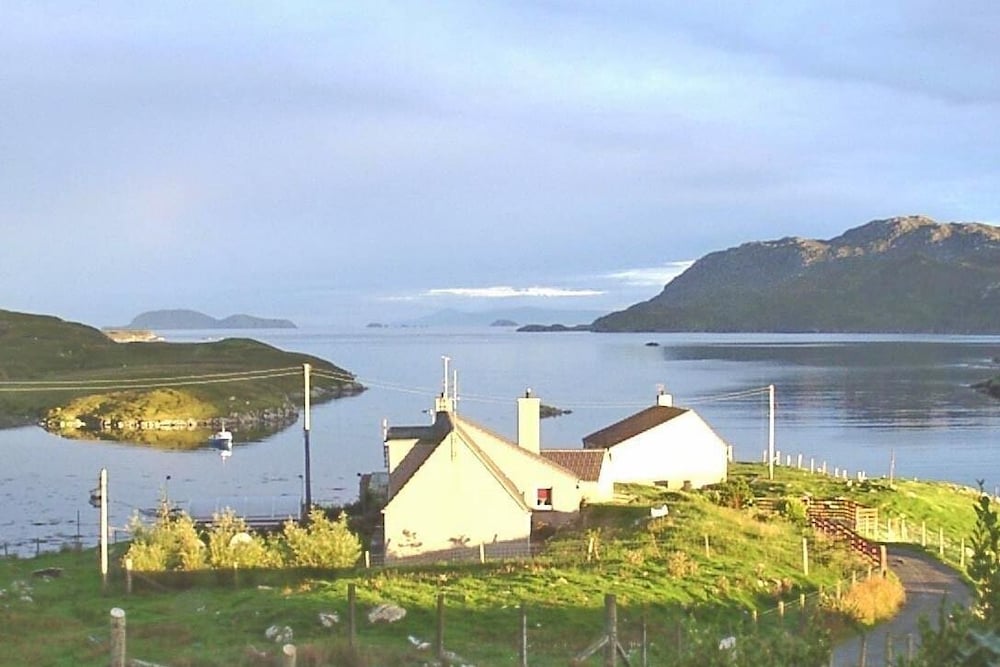
The Isle of Lewis is the northern part of the largest island in the Outer Hebrides, off the west coast of Scotland. Its landscape is shaped by Atlantic weather: peat bogs, rocky moorland, sea lochs and long sandy beaches on the west coast. Stornoway is the main town and ferry port, with a harbour,…
Every stay in Isle Of Lewis
Recent rates first, then the best-reviewed rooms.

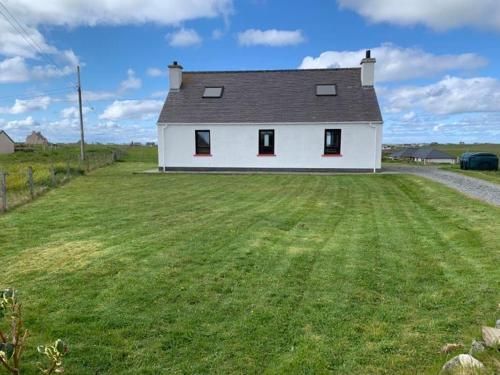
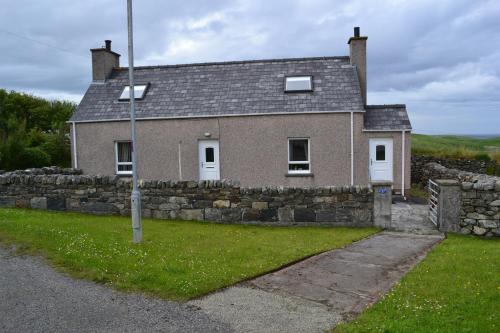

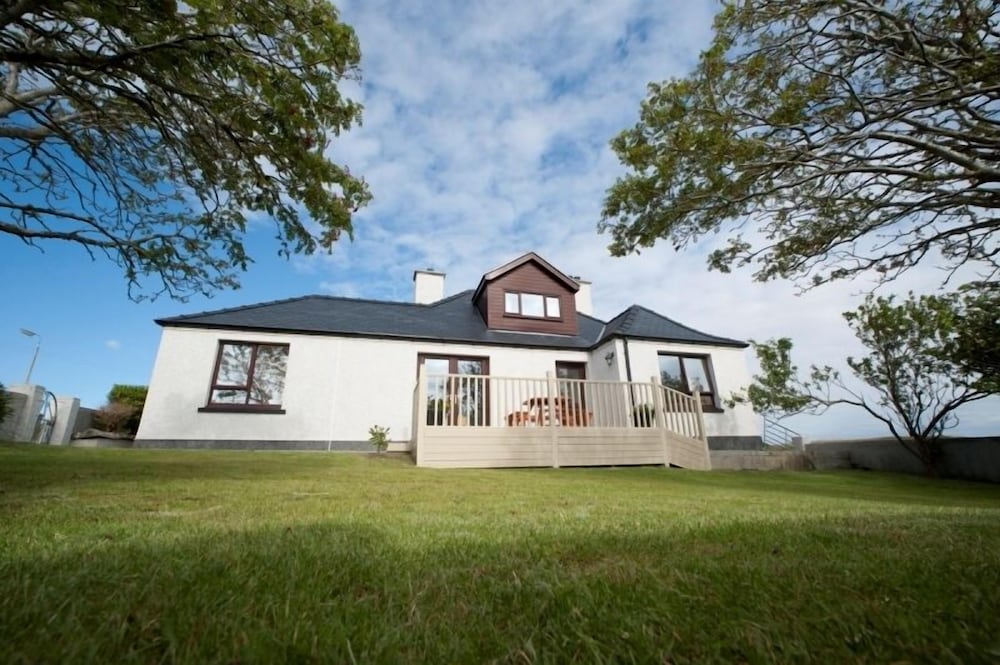
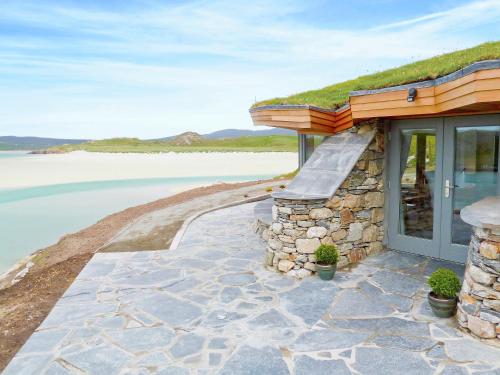




Search live rates in Isle Of Lewis
Pick your dates — every Isle Of Lewis room with a live price, in one list.
Free cancellation on most rooms · 1 t CO₂ removed per booking, at no extra cost.
About Isle Of Lewis
Historically, Lewis was part of the Norse-speaking world before coming under Scottish rule. Evidence of earlier settlement is everywhere, from Iron Age brochs such as Dun Carloway to the Callanish Standing Stones, a Neolithic monument aligned with the movements of the moon. Crofting remains part of the rural economy, and the Free Church of Scotland has a visible presence in island life.
Visitors come for archaeology, walking, birdwatching and quiet beaches. The island is also known for Harris Tweed, which is woven in the Outer Hebrides, including on Lewis. Travel here takes planning: ferries and flights can be affected by weather, and many roads are single-track with passing places. A car is useful for reaching sites away from Stornoway.
Where to stay in Isle Of Lewis
Stornoway. The island's main town, with the ferry terminal, airport nearby, shops, restaurants and the largest concentration of accommodation.
West Side (Carloway, Shawbost, Bragar). A coastal area on the Atlantic side, close to beaches, the Callanish Standing Stones and Dun Carloway broch.
North Lewis (Port of Ness, Lionel, Eoropie). The northern tip of the island, with sandy beaches, a lighthouse and a quieter, crofting landscape.
South Lochs (Lochs, Balallan, Gravir). A sparsely populated area of sea lochs and hills, suitable for walkers and those seeking remoteness.
Getting there and around
CalMac ferries run from Ullapool on the Scottish mainland to Stornoway, and from Uig on Skye to Tarbert on Harris, which connects by road to Lewis. Loganair flies to Stornoway from several Scottish airports, including Inverness, Edinburgh and Glasgow. Once on the island, a car is the most practical way to get around; buses serve Stornoway and some larger villages, but services are limited, especially on Sundays. Single-track roads with passing places are common outside the main routes.
When to go
May to September offers the longest days and the mildest weather, though rain is possible at any time. Midges and other biting insects are active in summer, especially near still water and vegetation. Winter has short daylight hours and a higher chance of travel disruption, but also fewer visitors. The Callanish Standing Stones are accessible year-round. Some businesses and transport services operate reduced timetables on Sundays.
Questions, answered
Do I need a car to explore the Isle of Lewis?
A car makes it much easier to reach archaeological sites, beaches and rural areas. Public buses exist but are infrequent, particularly away from Stornoway.
What is the main town on the Isle of Lewis?
Stornoway, which has the ferry terminal, airport, harbour, shops and most of the island's services.
Are shops and services open on Sundays?
Sunday opening is limited in parts of the island, and some public transport does not run. It is worth checking local arrangements in advance.
What language is spoken on the Isle of Lewis?
English and Scottish Gaelic are both spoken, with Gaelic used by a significant part of the population. Road signs are often bilingual.
What is Harris Tweed and where does it come from?
Harris Tweed is a handwoven cloth made in the Outer Hebrides of Scotland, including on Lewis, and protected by law.
Can I visit the Callanish Standing Stones?
Yes, the Callanish Standing Stones are a Neolithic monument on the west side of Lewis and are open to visitors. Access may be affected by weather.