Stays in Durham
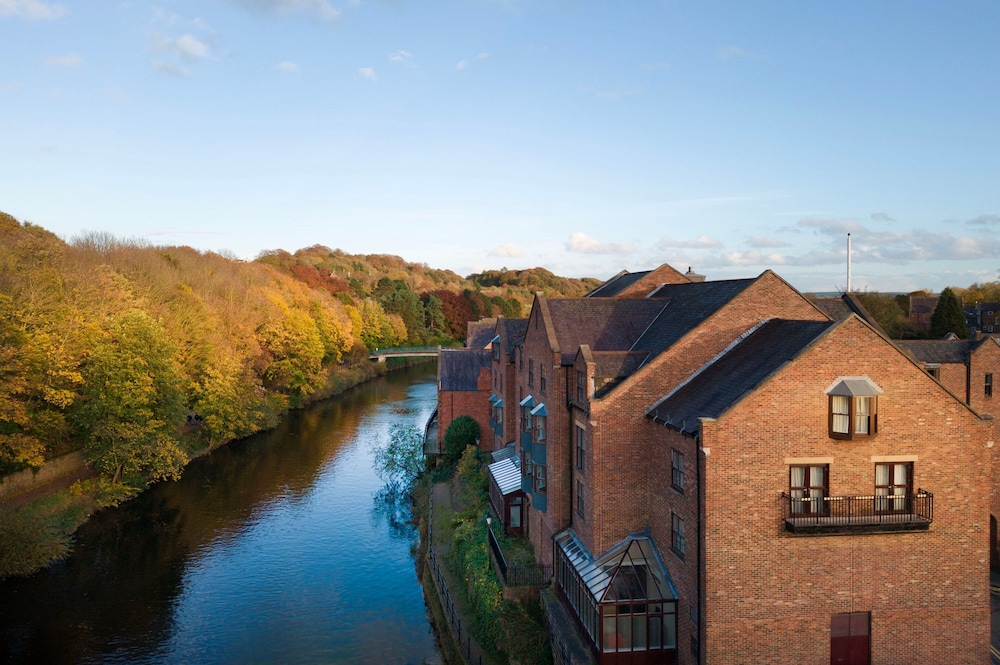
Durham is a compact cathedral city in North East England, built on a peninsula formed by a tight loop of the River Wear. Its skyline is dominated by Durham Cathedral and Durham Castle, both UNESCO World Heritage Sites, which sit side by side on the high ground above the river. The cathedral, founded…
Every stay in Durham
Recent rates first, then the best-reviewed rooms.





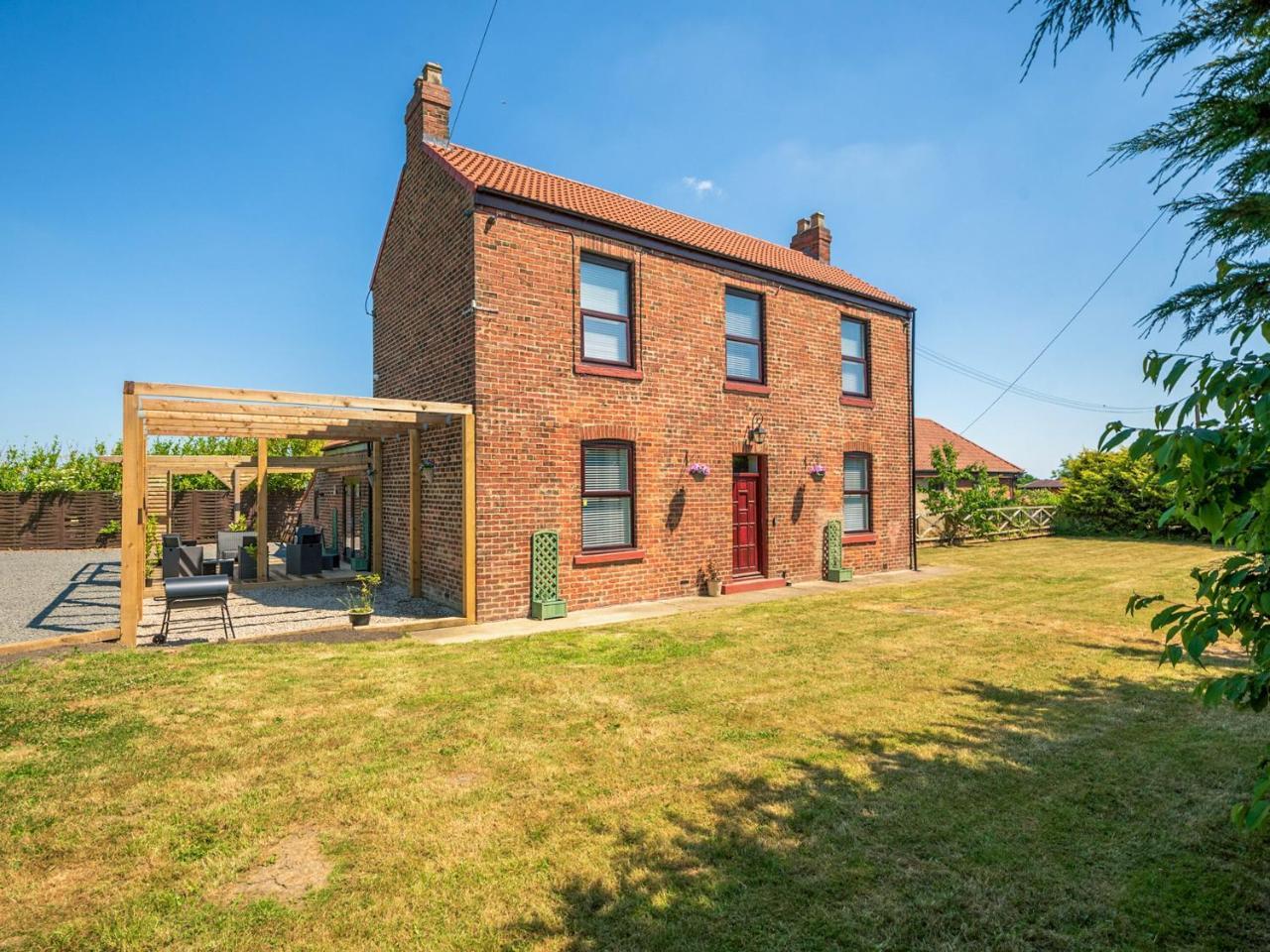

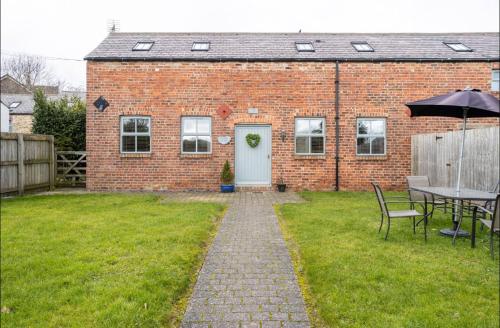
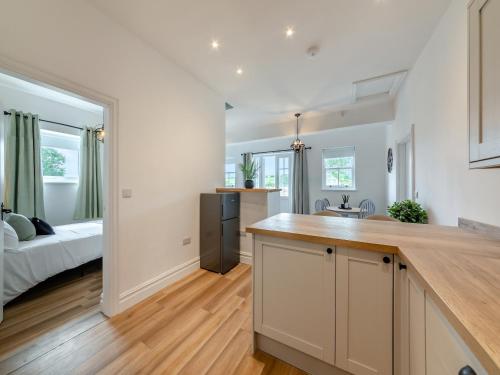

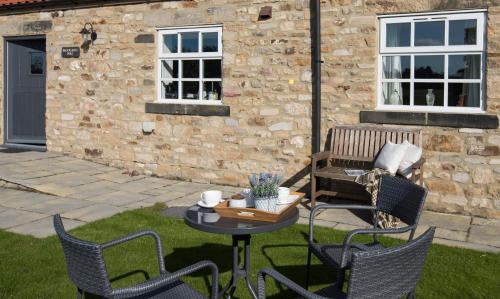
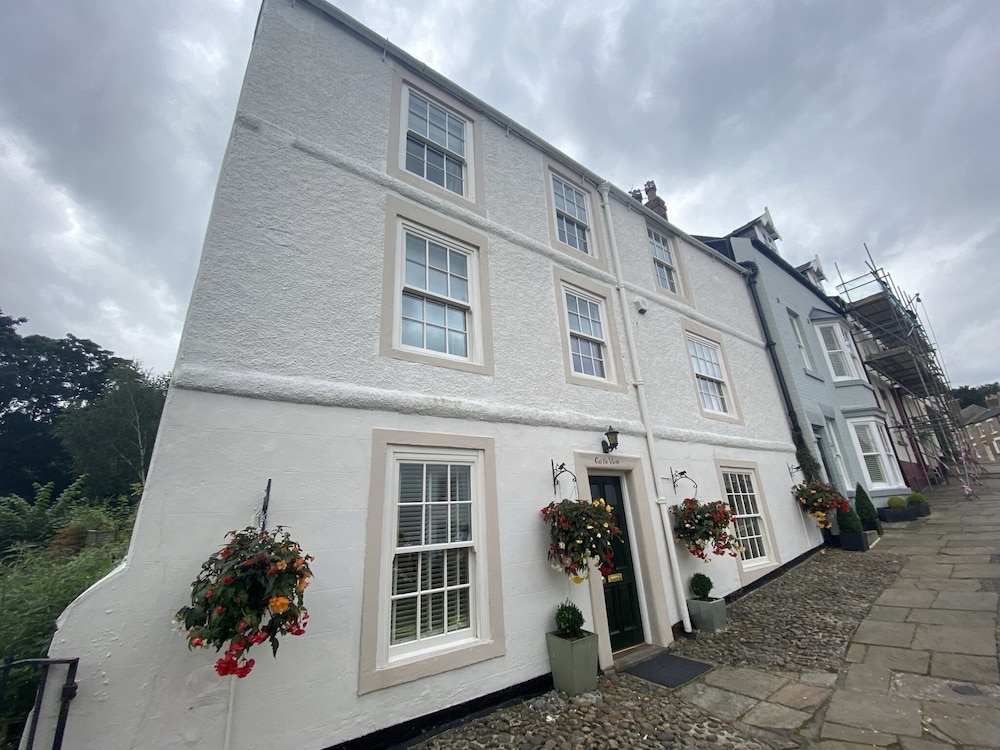




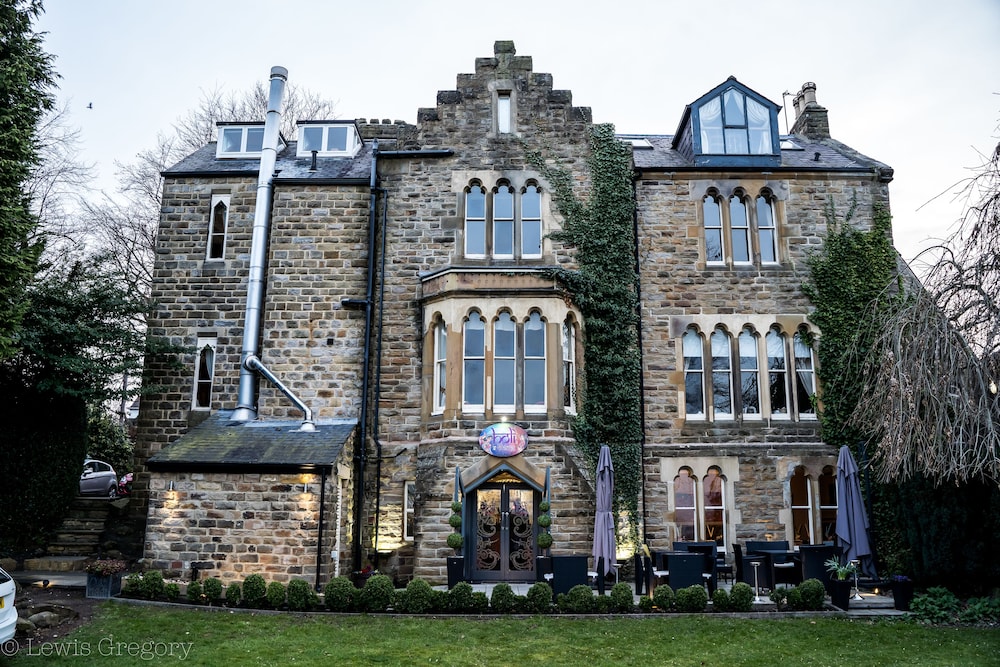
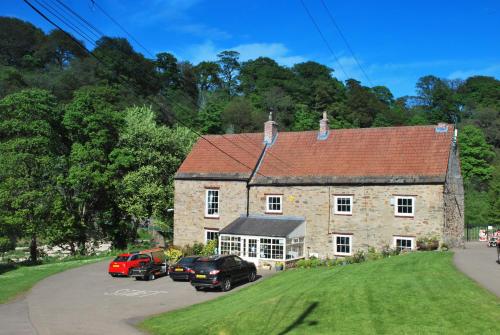
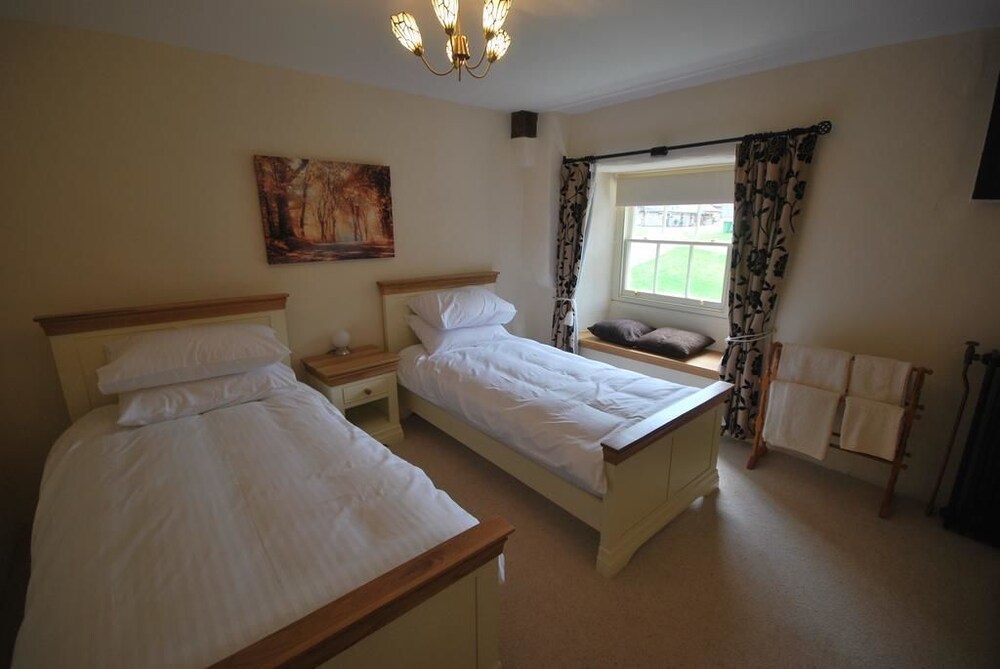
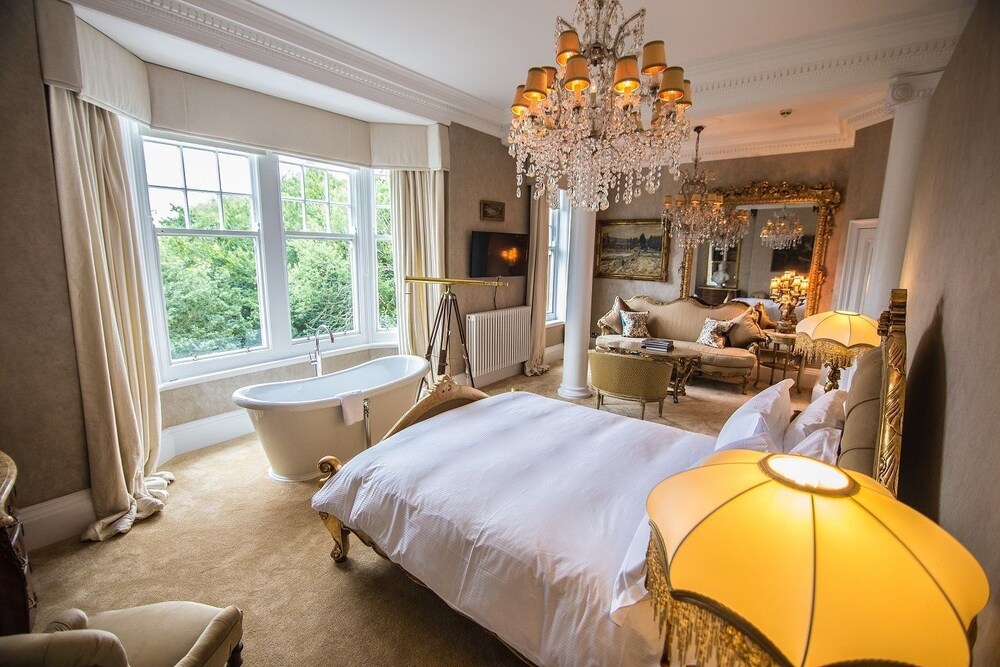
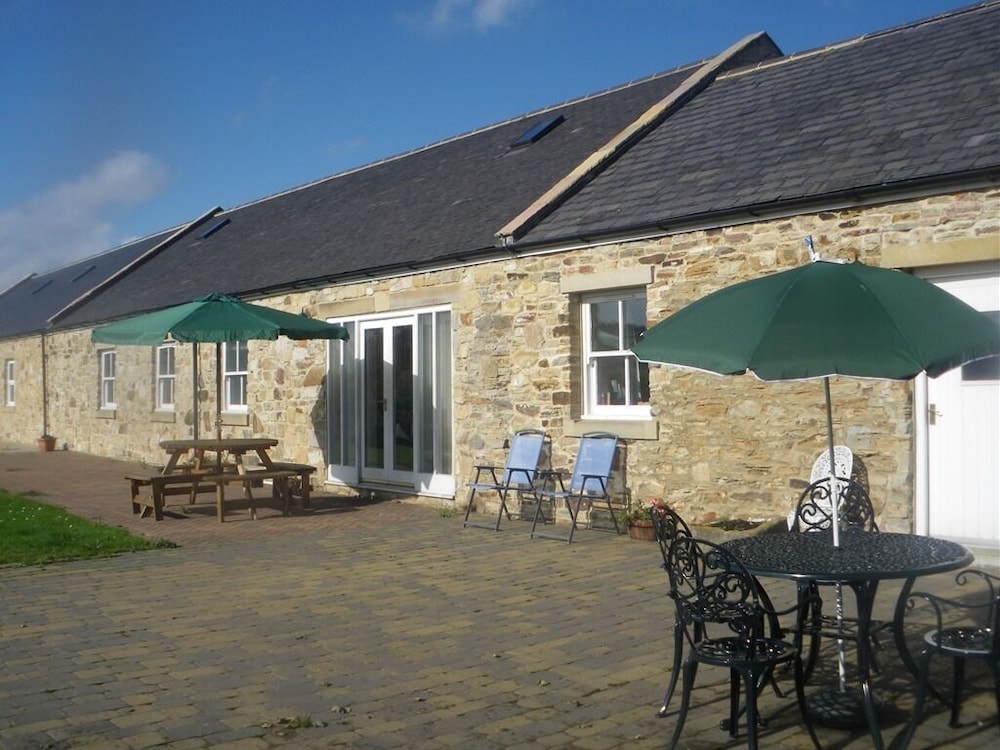

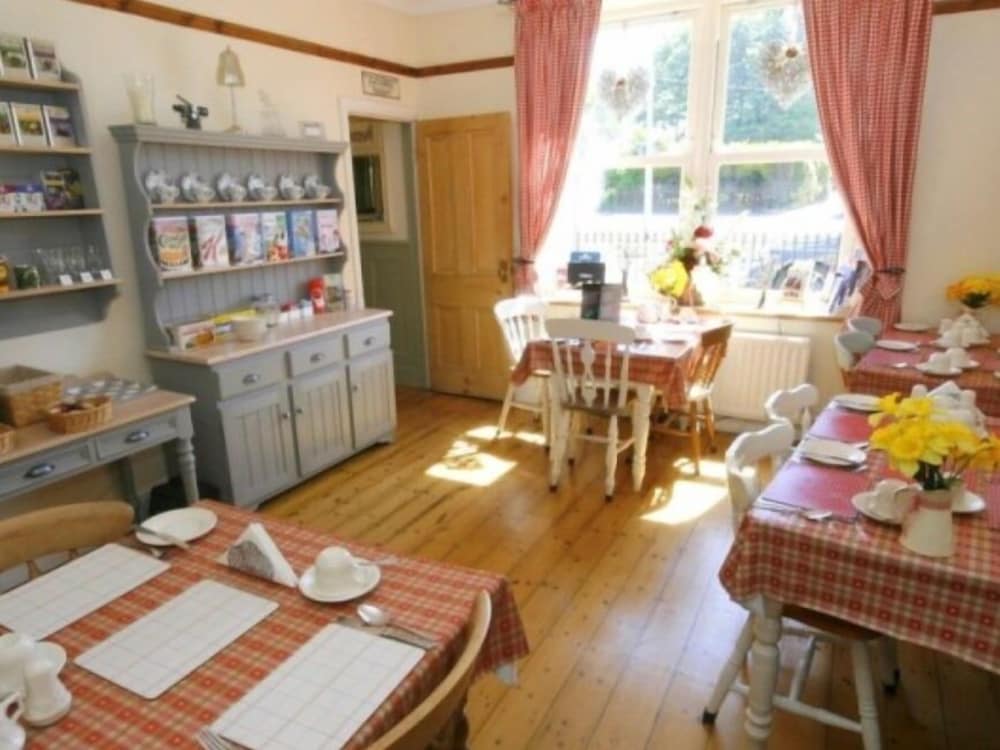
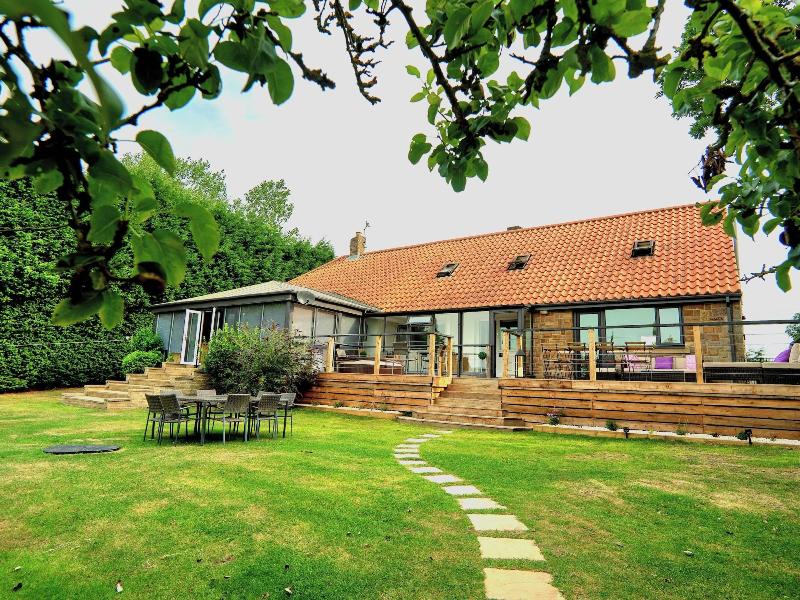



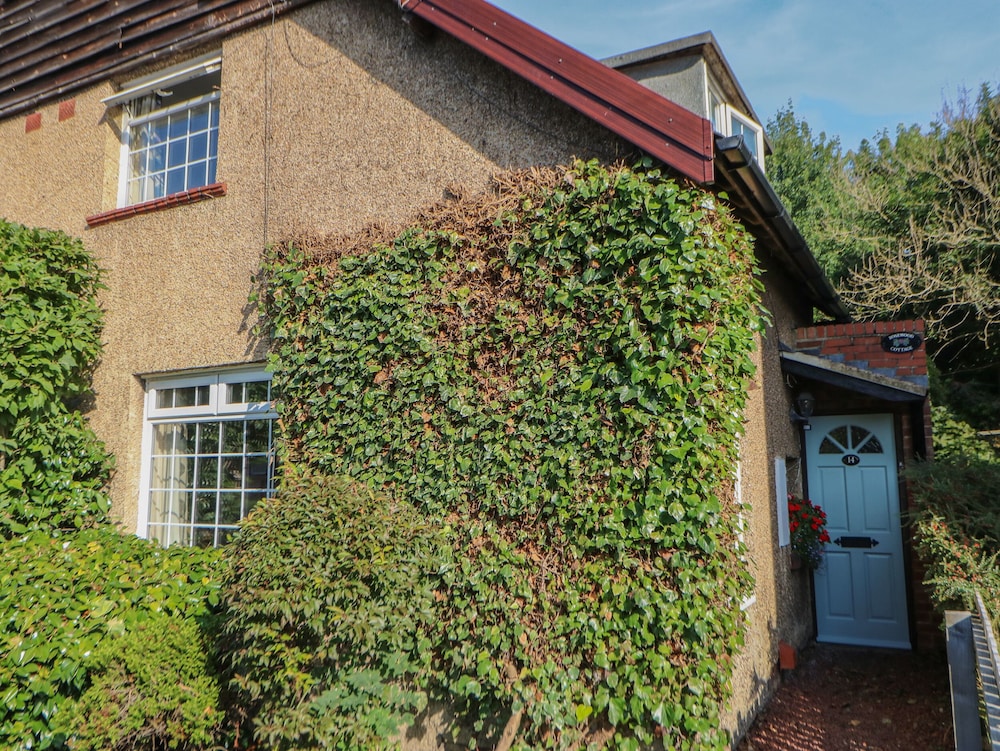

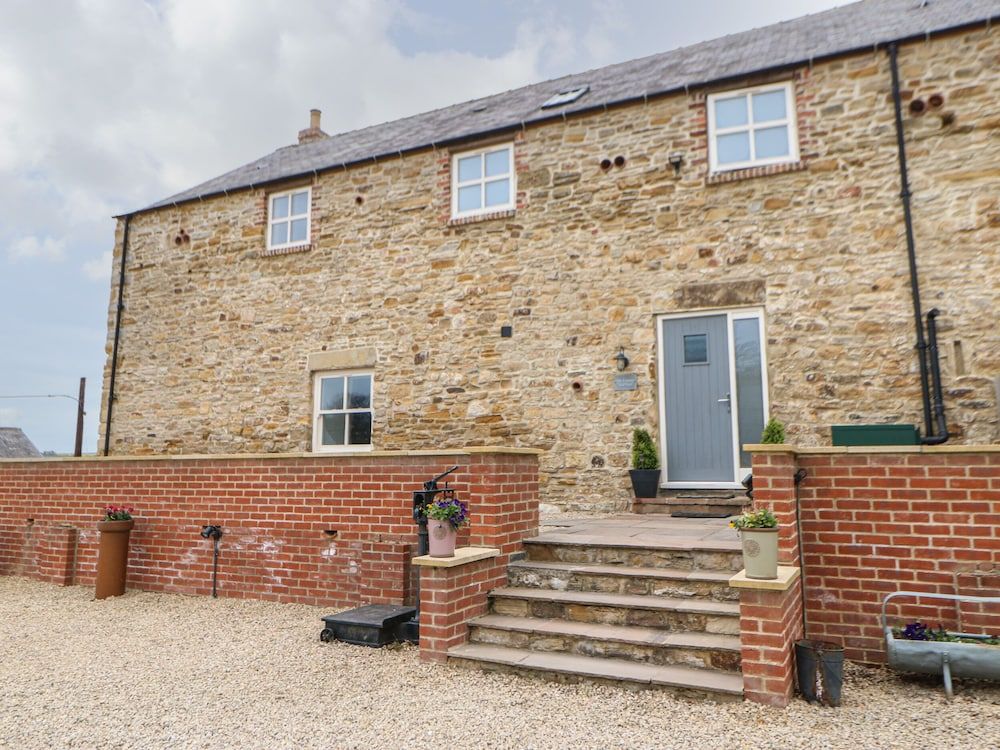


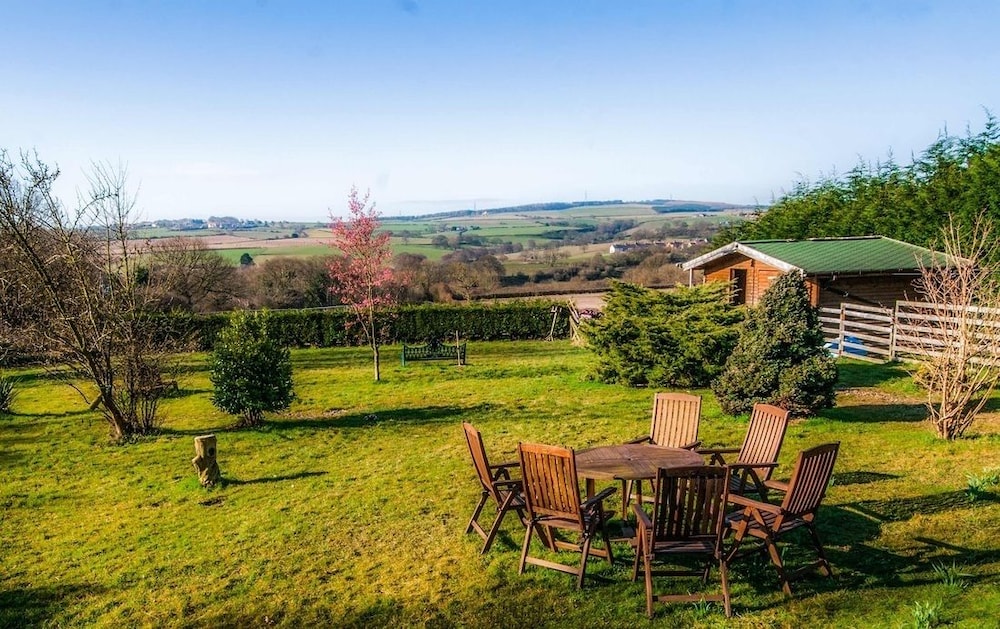
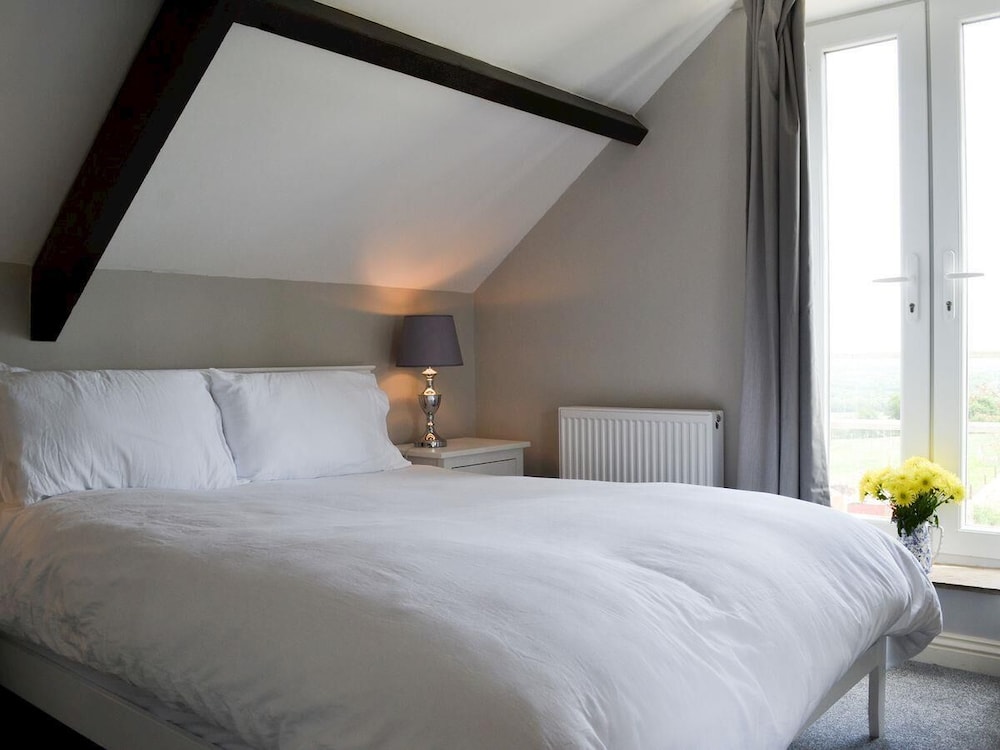
Search live rates in Durham
Pick your dates — every Durham room with a live price, in one list.
Free cancellation on most rooms · 1 t CO₂ removed per booking, at no extra cost.
About Durham
The city centre is small enough to explore on foot, with medieval streets like Saddler Street and Silver Street leading down to the riverbanks. Durham University gives the city a youthful energy, and its colleges are scattered among historic buildings. Beyond the centre, the surrounding countryside offers walks along the Wear and easy access to the wider region. Durham's railway station is on the East Coast Main Line, putting it within easy reach of London, Edinburgh and Newcastle.
Where to stay in Durham
City Centre. The most convenient base for exploring the cathedral, castle and riverside walks, with a range of hotels and guesthouses on and around the peninsula.
Elvet. A historic area just across the River Wear from the centre, home to Durham University buildings and a quieter residential feel within walking distance of the sights.
Claypath. A street leading east from the marketplace, with restaurants and pubs, and a mix of accommodation options close to the city core.
Gilesgate. A residential and commercial area east of the centre, with more affordable hotels and regular buses into the city.
Getting there and around
Durham is served by Durham railway station on the East Coast Main Line, with direct trains to Newcastle, York, Edinburgh and London. The station is about a 15-minute walk from the city centre, or a short taxi or bus ride. Newcastle International Airport is the nearest major airport, roughly 25 miles north. By road, the A1(M) passes to the east of the city, connecting to the national motorway network. Within Durham, the centre is compact and walkable. Local buses run from the marketplace and North Road to surrounding areas, and there are cycle paths along the river.
When to go
Late spring to early autumn is ideal for visiting Durham, with longer days for riverside walks and exploring the historic centre. Summer brings warmer weather and occasional events, though it can be busier. Winter is quieter but colder, and the cathedral and castle remain open year-round. University term times can affect accommodation availability.
Questions, answered
What is Durham famous for?
Durham is best known for its Norman cathedral and castle, both UNESCO World Heritage Sites, and for Durham University, one of the oldest universities in England.
Is Durham walkable?
Yes, the city centre is compact and most major attractions, including the cathedral and castle, are within walking distance of each other. The riverside paths are also popular for strolls.
How do I get to Durham from London?
Direct trains from London King's Cross to Durham take around three hours. The railway station is a short walk or taxi ride from the city centre.
What is the best area to stay in Durham?
The city centre is most convenient for sightseeing, with hotels near the cathedral and market square. Elvet and Claypath offer quieter alternatives within easy walking distance.
Are there any annual events in Durham?
Durham hosts events such as the Durham Book Festival and Durham BRASS Festival, as well as university graduation ceremonies. The cathedral also holds regular services and concerts.
What day trips can I take from Durham?
Durham is well placed for day trips to Newcastle, York, and the Northumberland coast. The Beamish Museum, an open-air museum of North East life, is also within easy reach.