Home/Stays/Northern Ireland/Ballycastle
Stays in Ballycastle
Ballycastle is a small town on the north coast of County Antrim, Northern Ireland. It sits where the Glens of Antrim meet the sea, facing Rathlin Island across a narrow channel. The town is known as the eastern gateway to the Causeway Coastal Route, a driving route that runs along some of the most…
Every stay in Ballycastle
Recent rates first, then the best-reviewed rooms.







Search live rates in Ballycastle
Pick your dates — every Ballycastle room with a live price, in one list.
Free cancellation on most rooms · 1 t CO₂ removed per booking, at no extra cost.
About Ballycastle
Visitors come for the scenery, the coastal walks, and the chance to explore both the Antrim coast and the Glens. The town has a sandy beach and a promenade, and the surrounding area offers golf, fishing, and birdwatching. Ballycastle is also a convenient base for day trips to the Giant's Causeway, the Carrick-a-Rede rope bridge, and the Dark Hedges. The town has a range of shops, pubs, and restaurants, and a strong sense of community. Whether you are passing through on the coastal route or staying for a week, Ballycastle provides a relaxed and friendly introduction to the north coast.
Where to stay in Ballycastle
Ballycastle Town Centre. The town centre offers the most convenient base, within walking distance of the harbour, beach, shops, and restaurants. Many of the town's hotels and guesthouses are located here.
The Seafront and Harbour Area. Properties near the seafront and harbour provide easy access to the beach and ferry terminal for Rathlin Island. This area is popular for its views and proximity to coastal walks.
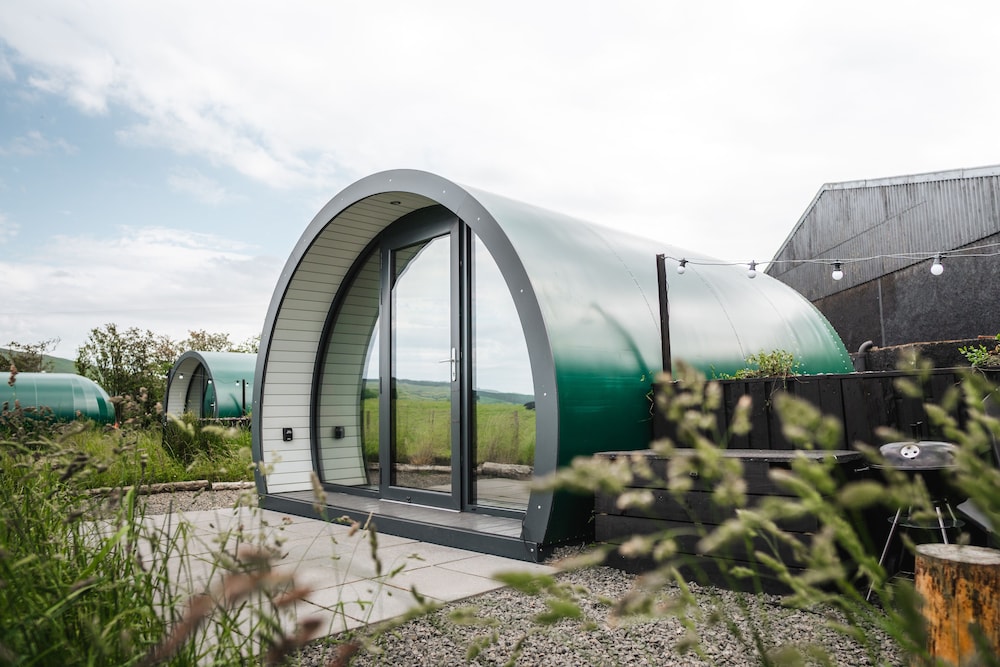
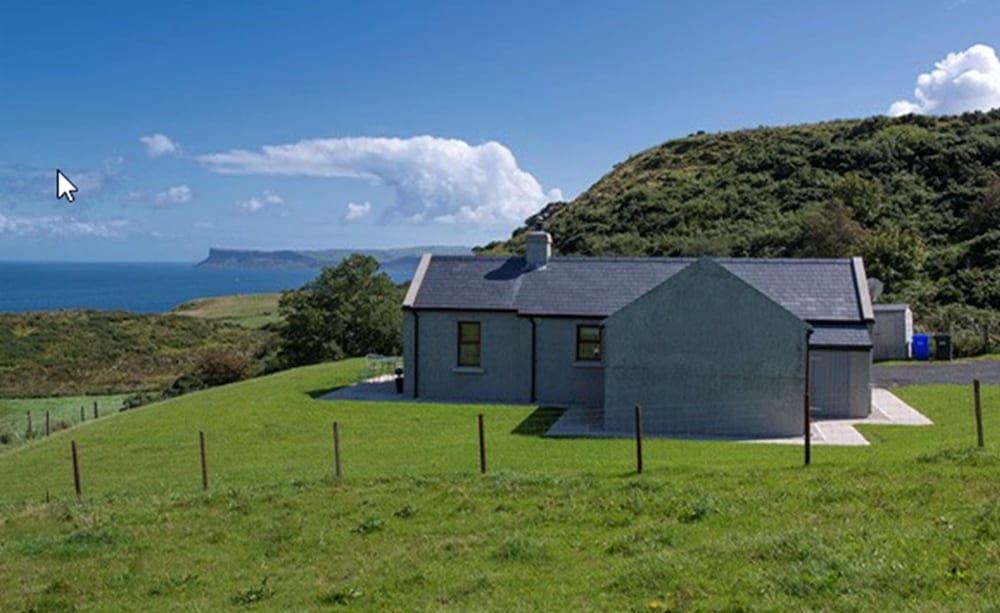
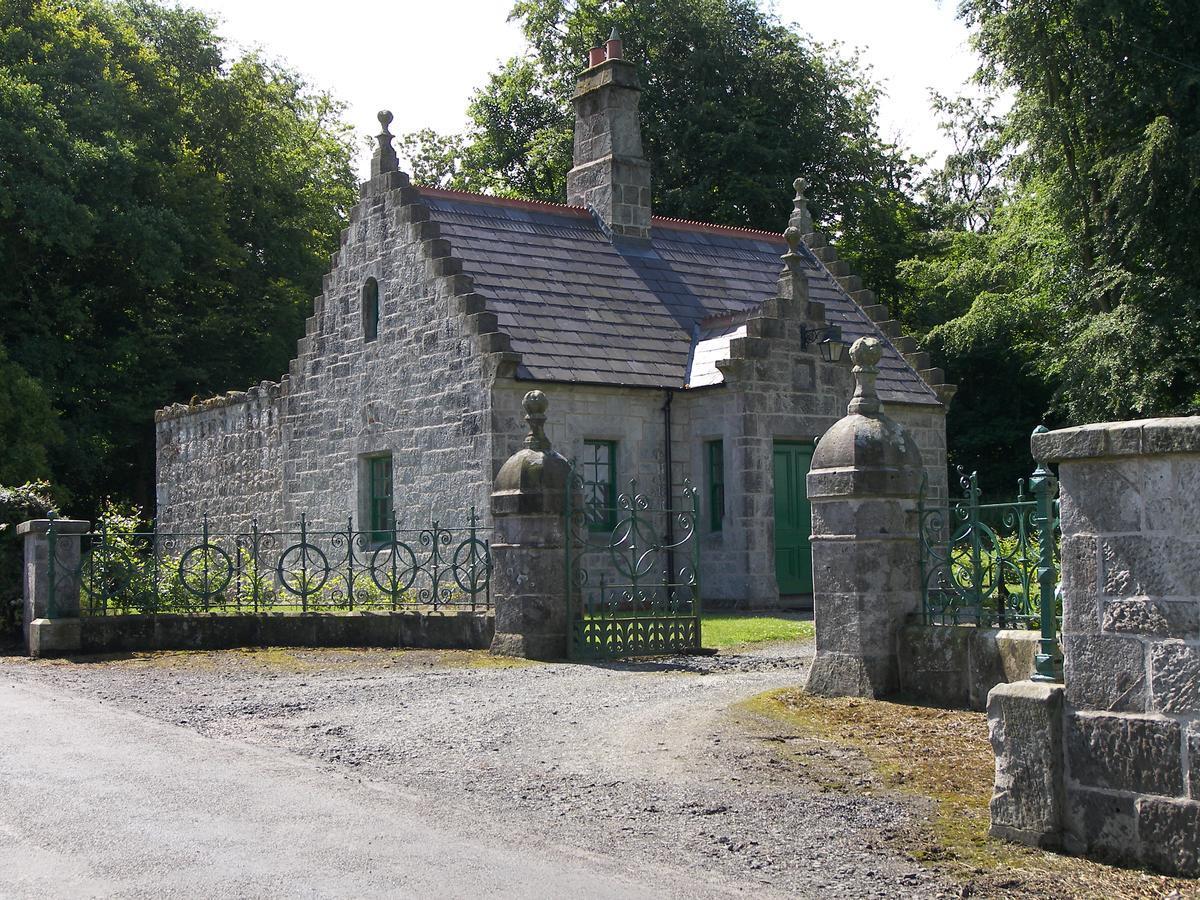
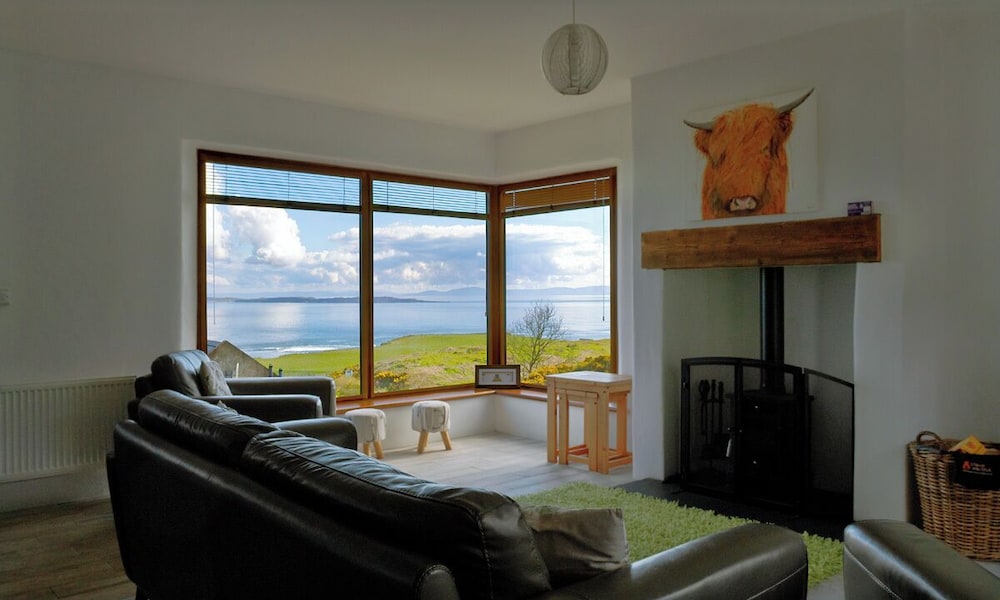
The Glens and Rural Surroundings. The countryside around Ballycastle, including the Glens of Antrim, offers self-catering cottages and glamping pods for those seeking a quieter stay. These are best suited to visitors with a car.
Getting there and around
Ballycastle is about 60 miles north of Belfast and 40 miles east of Londonderry. By car, it is reached via the M2 and A26 from Belfast, or the A2 coastal route. Bus services connect Ballycastle to Belfast, Coleraine, and other towns in County Antrim. The nearest railway stations are in Coleraine and Ballymena, with bus connections onward. For those arriving by air, Belfast International and Belfast City airports are both within driving distance. Once in Ballycastle, the town is compact and walkable, but a car is useful for exploring the wider coast and glens.
When to go
The best time to visit Ballycastle is from late spring to early autumn, when the weather is mildest and the days are longest. Summer brings the warmest temperatures and the most daylight, ideal for coastal walks and beach visits. However, this is also the busiest period. Spring and autumn offer quieter conditions and still reasonable weather for outdoor activities. Winter can be cold and wet, with shorter days, but the town remains open for business.
Questions, answered
What is Ballycastle known for?
Ballycastle is known for its location on the Causeway Coastal Route, its ferry link to Rathlin Island, and its proximity to the Glens of Antrim. It is a popular base for exploring the north coast.
How do I get to Rathlin Island from Ballycastle?
A ferry service operates from Ballycastle Harbour to Rathlin Island. The crossing takes about 20 to 45 minutes, depending on the vessel. It is advisable to check schedules in advance.
Are there beaches in Ballycastle?
Yes, Ballycastle has a sandy beach near the town centre. It is suitable for walking and paddling, though the water can be cold.
What is the weather like in Ballycastle?
Ballycastle has a temperate maritime climate, with mild winters and cool summers. Rain is possible throughout the year, so visitors should be prepared for changing conditions.
Is Ballycastle a good base for visiting the Giant's Causeway?
Yes, Ballycastle is about 30 minutes by car from the Giant's Causeway. Many visitors use the town as a base for exploring the Causeway Coast.
Do I need a car to get around Ballycastle?
The town itself is walkable, but a car is helpful for exploring the surrounding countryside, the Glens, and other attractions along the coast. Public transport is available but less frequent.