York Food and Drink Festival: Where to Eat, Stay and Explore in North Yorkshire's Culinary Capital
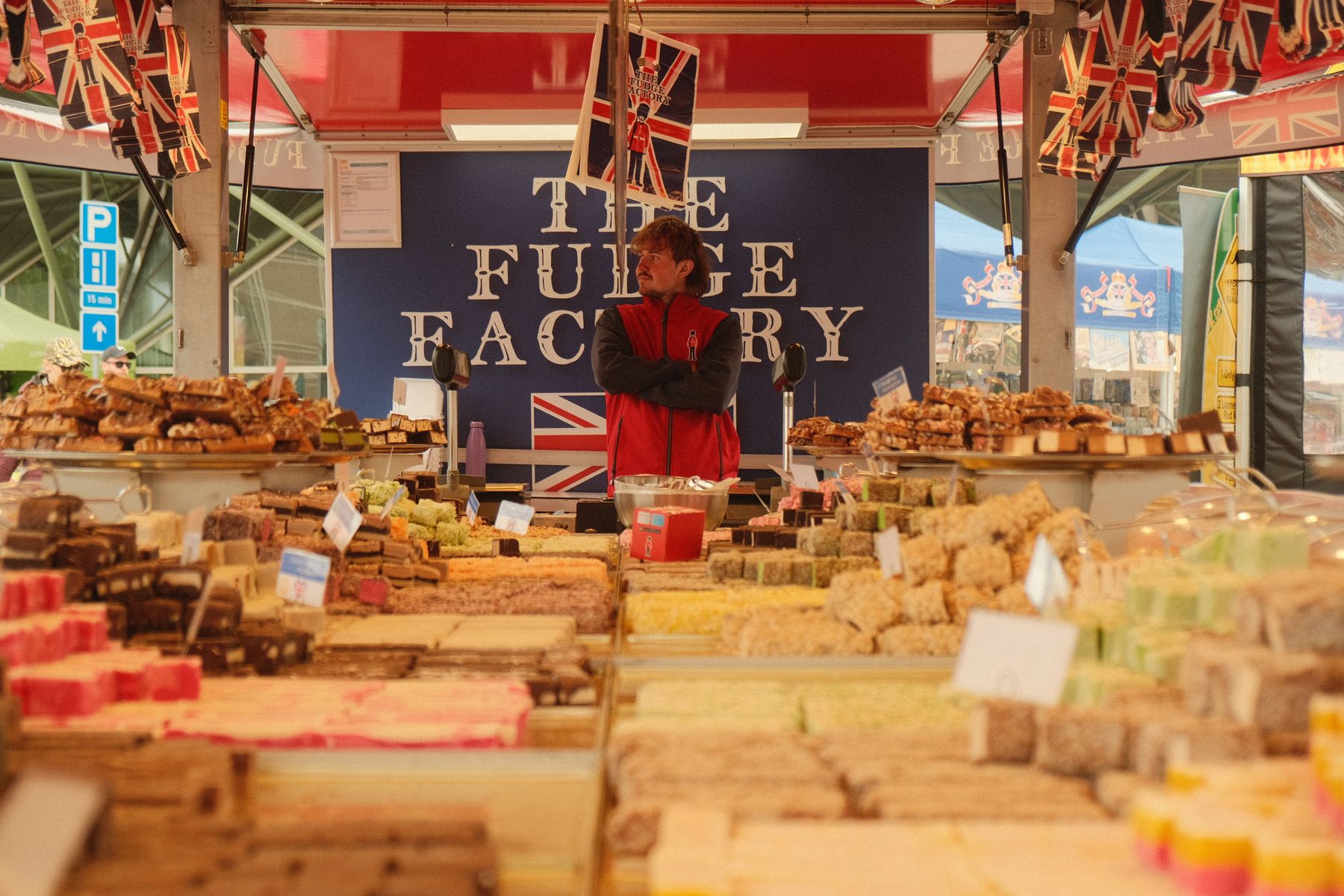 Street-food stalls and crowds browsing local produce on a cobbled York city-centre street during a food festival
Plan your visit to one of England's longest-running gastronomic celebrations with insider tips on the best festival stalls, restaurant takeovers and hotel bases in historic York.
What Makes York Food and Drink Festival Worth the Journey
York Food and Drink Festival transforms Parliament Street and the surrounding city centre into an open-air food hall every September, drawing around 150,000 visitors over ten days. The festival began in 1997 and has become one of the UK's most established regional food events, showcasing North Yorkshire producers alongside street food from across Britain. You'll find everything from Whitby crab thermidor to Korean fried chicken, Yorkshire Wensleydale cheesemongers next to natural wine importers, and demos from chefs who run restaurants in Fossgate, Micklegate and Walmgate. The atmosphere peaks on weekend afternoons when the cobbled streets between the Shambles and Coppergate fill with families, couples and groups clutching tasting portions and local ale. Unlike larger city food festivals that lean heavily on corporate brands, York's event keeps its focus squarely on independent traders, many operating within a thirty-mile radius of the city walls.
The festival layout spreads across Parliament Street, St Sampson's Square and into the Museum Gardens, meaning you can move between stalls, sit on the grass by the ruins of St Mary's Abbey with a plate of something hot, then wander back for dessert without retracing your steps. Demonstrations take place on a main stage where you might catch a Yorkshire Game masterclass at two o'clock and a sourdough workshop an hour later. Fringe events run in parallel: restaurants across the city offer festival menus, breweries open their doors for tours, and distilleries in the surrounding villages coordinate visits that tie into the wider programme. If you book a hotel in York for the festival dates, you're also within easy reach of Malton—often called Yorkshire's food capital—just seventeen miles northeast along the A64, and the market towns of Helmsley and Thirsk where deli owners and farmshop managers participate in festival trails.
Where to Base Yourself: Hotels Near the Festival and Beyond
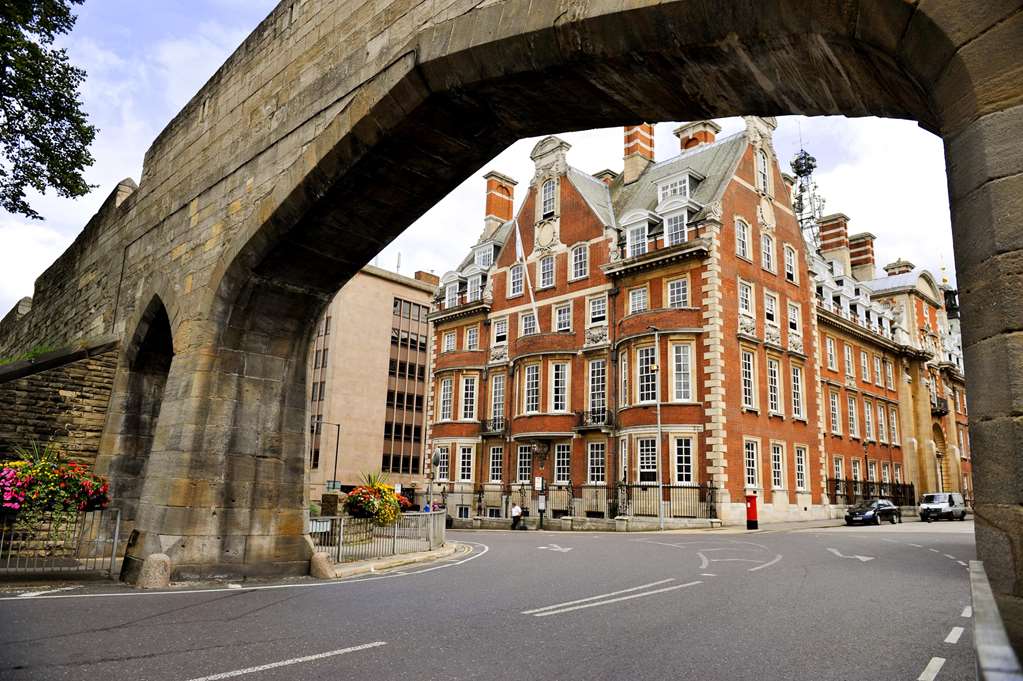
Staying inside York's city walls puts you within a five-minute walk of Parliament Street, but September is peak season and accommodation fills quickly once the festival programme goes live in July. The Micklegate and Bishophill neighbourhoods sit just southwest of the river Ouse, a ten-minute stroll across Skeldergate Bridge to the festival hub, and offer slightly better availability than Bootham or Gillygate on the north side. If you prefer waking up to a view of the Minster rather than navigating crowds first thing, look at properties along Goodramgate or Petergate; you'll still reach the main festival area in under ten minutes on foot, and you can slip into Betty's Tea Rooms on St Helen's Square for breakfast before the queues form. For those who want space to park and don't mind a short drive, the market towns ringing York deliver better value: Tadcaster is six miles southwest on the A64 with frequent bus links into the city, while Pocklington lies twelve miles east and connects via the 747 service that drops you at Piccadilly.
Stamford Bridge, eight miles east on the A166, appeals to visitors who plan to combine the festival with walks along the Derwent or a day trip to Castle Howard, fifteen minutes north. The village has a couple of independent guesthouses and a riverside pub with rooms, and you'll drive into York in under twenty minutes outside rush hour or catch the 10 or 10A bus from Main Street. If your trip includes the North York Moors, consider basing in Helmsley or Pickering and treating York as a day visit; both towns lie around twenty-five miles north via the A170, an attractive drive through Howardian Hills AONB that takes forty minutes in light traffic. Helmsley's Black Swan and Feversham Arms anchor the boutique end, while Pickering offers family-run B&Bs clustered near the North Yorkshire Moors Railway terminus, giving you a heritage steam train into Whitby if you fancy extending the itinerary. The real trick is weighing convenience against cost: staying in York means rolling out of your hotel at nine, grabbing a coffee on Fossgate and arriving at the festival stalls as they unpack, but a Helmsley base costs thirty percent less and opens the door to moorland scenery you won't see from the city ramparts.
Festival Highlights and What to Eat First
Start at the Yorkshire produce market where stalls sell vacuum-packed rare-breed pork from Ryedale farms, air-dried beef from the Dales, and forced rhubarb grown in the famous triangle between Wakefield, Rothwell and Morley. You can pick up a wedge of Fountain's Gold from the Wensleydale Creamery, pair it with oatcakes from a Skipton bakery, and sit on the benches outside the Mansion House to eat before the lunchtime rush. The street-food strip along Parliament Street runs parallel: look for wood-fired flatbreads topped with Ampleforth Abbey mushrooms and local goat's cheese, Siam-style curries made by the team behind a long-standing Goodramgate café, and seafood stands offering potted shrimp from Morecambe Bay and hot-smoked salmon caught off Scarborough. Queues form early at the gourmet burger van that uses beef from Ginger Pig's North Yorkshire farm and serves it on sourdough buns baked that morning in Malton.
Don't overlook the drinks quarter in St Sampson's Square where Yorkshire breweries pour cask ales, and gin producers from Harrogate, Masham and York itself offer tasting flights. The Masons of Yorkshire stand usually features their original gin alongside limited editions flavoured with hedgerow botanicals, while Brass Castle Brewery brings kegs of their flagship Bad Kitty and seasonal collaborations with other northern independents. If coffee matters more than beer, seek out the North Star stand where baristas pull espresso from beans roasted in a railway arch off Leeman Road; they also sell bags to take home. The festival's evening sessions—Thursday to Saturday from six until nine—feature live music on the main stage and a more relaxed vibe as day-trippers head back to Leeds or the coast. Those staying in York can claim a spot near the stage, order street food for dinner, and watch the Minster's floodlights come on as the sun drops behind the city walls, all without worrying about last trains or motorway traffic.
Restaurant Takeovers and Fringe Events Across the City
Many of York's independent restaurants design special menus for festival week, turning a casual visit into a ticketed event or offering walk-in deals that showcase seasonal North Yorkshire ingredients. Le Cochon Aveugle on Walmgate, one of the city's few tasting-menu destinations, sometimes partners with a regional vineyard or craft distillery to pair each course with a drink you won't find on the standard list. Skosh on Micklegate runs a more laid-back operation but uses the festival to highlight game from the North York Moors—expect wood pigeon with heritage beetroot or venison tartare with smoked bone marrow. Rustique in Castlegate focuses on French technique applied to Yorkshire produce and often expands its prix-fixe during festival fortnight, adding a cheese course from local dairies or a dessert built around Blaxton apples. Reservations open weeks in advance and slots fill by mid-August, so plan ahead if you want a table on a Friday or Saturday evening.
Beyond restaurants, the festival programme includes tutored tastings at York Gin on Pavement, brewery tours at York Brewery on Toft Green, and supper clubs in unexpected venues such as the Merchant Adventurers' Hall or St William's College. The York Gin distillery occupies a former coffee-roasting building and offers forty-five-minute sessions explaining the distilling process before a tasting of three spirits; tickets cost around fifteen pounds and sell out quickly. York Brewery's tour takes you through the mashing, fermentation and conditioning stages, ending in the taproom where you sample four beers—the Yorkshire Terrier session ale and the Centurion Ghost Ale are both brewed here year-round. If you base yourself in Malton rather than York, time your visit for a Saturday morning when the monthly food market fills the marketplace with artisan bakers, charcuterie makers and the team from the Talbot Hotel's cookery school offering free demos. It's a smaller, more local version of York's festival and an easy fifteen-minute drive west along the A64.
Fitting the Festival Into a Wider North Yorkshire Itinerary
A long weekend allows you to attend the festival on Saturday, explore York's museums and medieval lanes on Sunday, then venture into the surrounding countryside on Monday before heading home. The North Yorkshire Moors lie thirty miles north via the A64 and A169; Pickering makes a logical first stop for the steam railway, then continue to Goathland where the Mallyan Spout waterfall and the Goathland Hotel—Aidensfield's pub in Heartbeat—sit within walking distance of free village parking. If coast appeals more than moorland, Whitby is forty-seven miles northeast, about an hour and twenty minutes by car. The harbour, abbey ruins and fish-and-chip shops draw crowds year-round, but mid-September often delivers milder weather than midsummer and thinner queues at the Magpie Café. Robin Hood's Bay, four miles south of Whitby, offers rockpooling at low tide and a steep main street lined with galleries and tearooms; parking sits at the top of the village, so wear comfortable shoes for the descent and climb back.
Closer to York, Castle Howard lies fifteen miles northeast off the A64 near Malton, a Baroque stately home with landscaped grounds and a farm shop that stocks produce from the estate and neighbouring Ryedale growers. Entry costs around sixteen pounds for house and garden; allow half a day if you want to walk the lakeside paths and climb to the Temple of the Four Winds. The Howardian Hills between Castle Howard and Helmsley offer gentle walking—try the circular route from Hovingham via Slingsby, roughly six miles with one moderate climb, passing through woods and farmland that show off North Yorkshire's quieter side. Helmsley itself has a ruined Norman castle, a cobbled market square, and Rievaulx Abbey three miles west, one of England's most complete Cistercian ruins set in a peaceful valley. If you spend two nights in York for the festival and two in Helmsley or Pickering, you balance urban energy with countryside calm, eat well in both settings, and return home with local cheese, chutney and craft beer you won't find outside the region.
Practical Tips: Timing, Transport and What to Bring
York Food and Drink Festival usually runs for ten days starting the second or third Friday in September; confirm exact dates on the Visit York website as they shift slightly each year. Weekend footfall peaks between noon and four, so arrive by half-ten if you want first pick of the hot-food stalls and seating in the Museum Gardens. Weekday mornings offer a calmer experience: stalls open around ten, demos begin mid-morning, and you can move between stands without shoulder-to-shoulder jostling. Entrance to the festival site is free; you pay only for what you eat and drink, with most street-food dishes priced between five and nine pounds and tasting portions of local produce—sliced meats, cheese, cake—starting around three pounds. Bring a reusable cup if you plan to sample multiple beers or coffees; several traders offer a small discount, and you'll avoid adding to the recycling mountain.
Parking in central York is limited and expensive during the festival: the Bootham Row and Marygate car parks charge around twelve pounds for four hours, and spaces vanish by mid-morning on Saturdays. The Park & Ride sites at Askham Bar (south), Monks Cross (northeast) and Rawcliffe Bar (northwest) cost three pounds per car for the day and include return bus travel for all passengers; services run every twelve minutes and drop you within a five-minute walk of Parliament Street. If you're staying in a hotel outside the city walls, check whether they offer parking—many properties in Clifton, Acomb and Heworth include it free, then you can walk or take a local bus into the centre. Trains serve York from Leeds in twenty-five minutes, London King's Cross in two hours, and Edinburgh in two and a half hours; the station sits a ten-minute walk from the festival via Station Road and Lendal Bridge. Pack layers—September in North Yorkshire swings between warm sunshine and sudden showers—and wear shoes you can stand in for a few hours, because the festival's layout encourages slow browsing rather than quick dashes between marquees.
Before you book
The questions people ask about York, answered with this month’s numbers.
The festival runs for ten days each September, typically starting the second or third Friday of the month. Exact dates vary year to year, so check the Visit York website closer to your travel dates. Weekend crowds peak between noon and four; weekday mornings offer quieter browsing and shorter queues at popular stalls.
Entry to the main festival site on Parliament Street and St Sampson's Square is free. You pay only for food, drink and any tutored tastings or restaurant events you book separately. Some fringe activities—such as York Gin distillery tours or brewery visits—require advance tickets and sell out quickly once the programme is published in July.
Tadcaster lies six miles southwest with regular buses into York, while Stamford Bridge sits eight miles east on the A166 with the 10 or 10A service into the city. Helmsley and Pickering, around twenty-five miles north in the North York Moors, offer lower prices and attractive countryside but require a car or longer bus journeys to reach the festival.
Yes, easily. Whitby is forty-seven miles northeast—about an hour and twenty minutes by car—while Pickering, gateway to the North York Moors, lies twenty-five miles north via the A64 and A169. Both make good day trips if you base in York, or you can split your stay between the city and a moorland or coastal town for a longer itinerary.
Look for vacuum-packed charcuterie from Ryedale farms, Wensleydale cheese from the creamery in Hawes, Yorkshire forced rhubarb preserves, and craft beers from Brass Castle or York Brewery. Many stalls sell online afterward, but buying at the festival means you taste before committing and support producers directly without delivery costs eating into your budget.