Whitby's Ghost Lore: A Respectful Guide for Curious Visitors
 2 The Square, Grassington: Honest Verdict for Solo Young Travellers
Whitby's ghost stories are best approached as local folklore and history, not a fright night—here's how to explore them thoughtfully while staying in the town.
Where the Stories Live: Streets, Landmarks and Ruins
Most of Whitby's ghost lore clusters around the Abbey ruins on the East Cliff, reached by the 199 steps from Church Street. The ruins are atmospheric but not a staged attraction; they are a scheduled monument managed by English Heritage, and visiting hours vary by season. The adjacent St Mary's Churchyard, with its weathered headstones, is a peaceful place where some tales originate, but it is an active churchyard—visitors should keep voices low and stick to paths. The nearby Whitby Museum holds local folklore collections, though exhibits change; check before travelling.
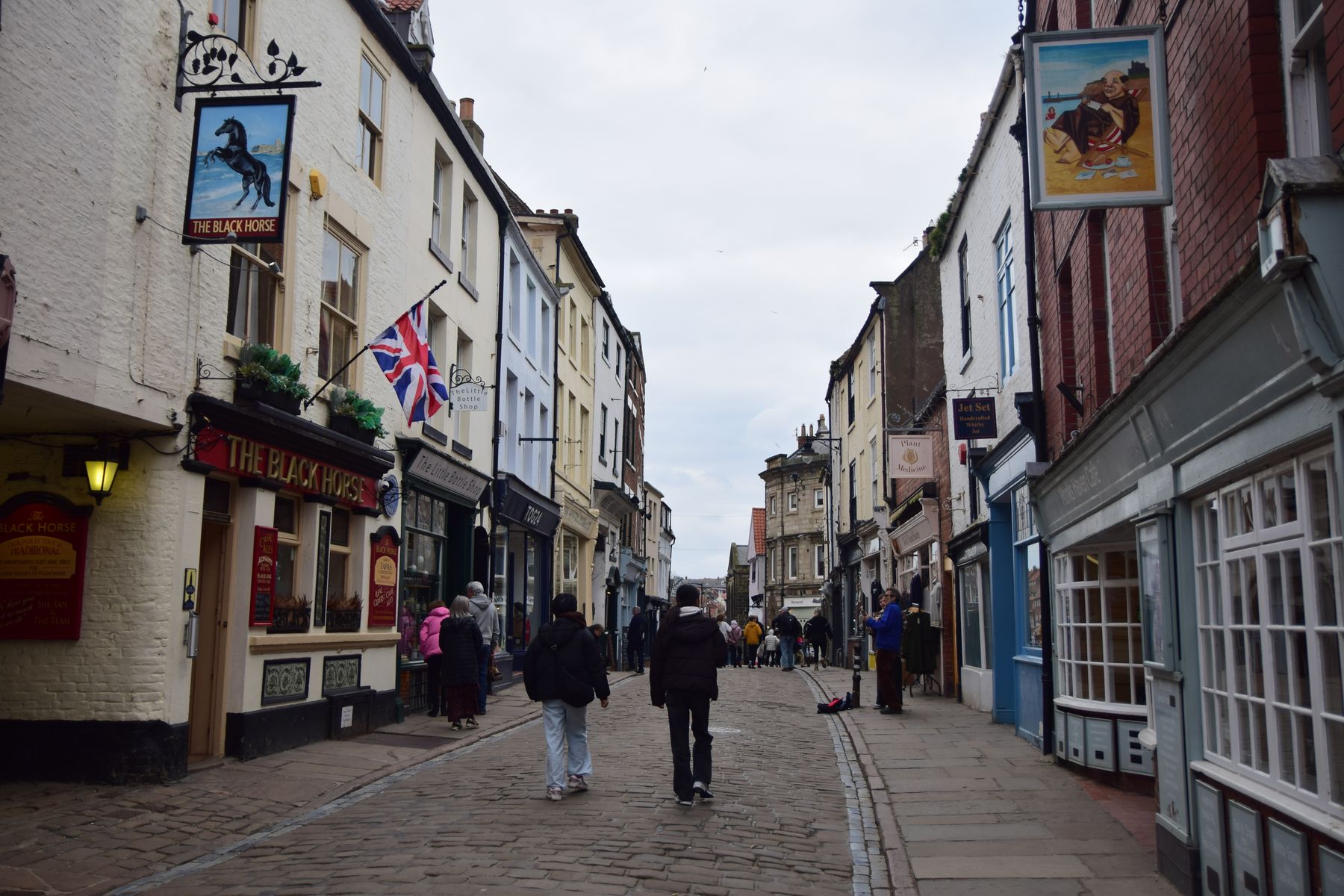
In the old town, Church Street and the narrow yards (ghauts) between Sandgate and Baxtergate are often cited in stories of smugglers and sailors. The swing bridge over the Esk connects the east and west sides, and the west pier's lighthouse marks the harbour entrance. These are working streets, not a ghost trail, so the respectful approach is to join a guided walk led by a local historian rather than wander into private yards after dark. Several operators run evening walks from the tourist information centre on Langborne Road, typically from spring to autumn.
Timing Your Visit: Seasons, Tides and Light
Ghost-themed walks and storytelling evenings usually run from Easter to October, with the busiest period in July and August. If you want atmosphere without crowds, late September and October offer longer shadows and cooler evenings, but some operators wind down after the half-term break. Winter visits can be atmospheric but many attractions, including the Abbey ruins, have reduced hours or close entirely; check English Heritage's site before planning. The best light for photography on the East Cliff is early morning, before the crowds climb the 199 steps.
Tides matter if you plan to walk the pier or the beach below the cliffs. The harbour entrance is tidal, and the west pier can be cut off at high water; always check local tide tables posted near the lifeboat station. For ghost walks, book ahead in summer—groups are often capped at 15–20 people—and wear sturdy shoes, as the steps and cobbles are uneven. Rain is common year-round; a waterproof jacket is more useful than an umbrella on exposed clifftop paths.
Where to Stay: Bases for Exploring the Lore
For the easiest access to the Abbey and old town, base yourself on the West Cliff, where most of Whitby's hotels and guesthouses sit. Streets like Argyle Road and Crescent Avenue are a 10–15 minute walk from the swing bridge and the 199 steps. Room rates vary widely by season; summer weekends are the most expensive, while midweek in May or late September offers better value. If you prefer self-catering, the streets behind the railway station have several apartments, but book early for school holidays.
Alternatively, stay in the old town itself, around Church Street and Sandgate, where a handful of small guesthouses sit above shops. This puts you steps from the harbour and the start of many ghost walks, but parking is limited and some streets are pedestrianised. For a quieter base, consider Sleights or Ruswarp, both about 10 minutes' drive inland along the Esk valley, with more parking and easy access to the moors. I would book a West Cliff guesthouse for a first visit: it balances convenience, parking and choice.
Doing It Respectfully: What to Skip and How to Behave
Skip anything that treats local tragedy as entertainment—for example, reenactments of drownings or dramatised seances in churchyards. Instead, look for talks by local historians at the Whitby Museum or the Pannett Art Gallery, which sometimes host folklore events. When walking the churchyard or the Abbey ruins, remember these are places of remembrance and heritage; do not climb on ruins, leave litter or use flash photography inside the church. If a walk visits a pub, remember it is a working local, so keep groups small and voices low.
Also skip the temptation to explore the abbey after dark; the site is locked and the clifftop path is unlit and exposed. If you want an evening atmosphere, the harbour lights and the swing bridge are enough. For a broader context, the Captain Cook Memorial Museum on Grape Lane covers the town's maritime history, which underpins many ghost stories. Pair a ghost walk with a visit to the RNLI lifeboat station on the west pier to understand the real risks that shaped local tales.
Before you book
The questions people ask about Grassington, answered with this month’s numbers.
Many walks are family-friendly, but check the operator's age guidance—some include jump scares or detailed historical violence. Evening walks can run until 9pm in summer, so consider younger children's bedtime. Always supervise children near the harbour and steps.
In July and August, yes—groups are often capped and popular slots sell out. Outside peak season, you can usually turn up, but booking ahead secures your place and lets operators cancel in bad weather. Check cancellation policies when booking.
Sturdy shoes for cobbles and the 199 steps, a waterproof jacket, and warm layers—even summer evenings can be cool on the cliff. Avoid umbrellas on exposed paths. A small torch is useful for unlit sections, but avoid shining it into windows.