Three Days of Haunted History in York and Whitby: A Sample Itinerary
 2 The Square, Grassington: Honest Verdict for Solo Young Travellers
A practical three-day route between York's medieval streets and Whitby's cliff-top ruins, with realistic drive times, price bands and the bits worth skipping.
Day One: York's Shambles, Snickelways and the Minster
Start in York's walled centre, where most of the atmosphere sits within a 15-minute walk. The Shambles is genuinely narrow and genuinely busy by 10am, so arrive before 9 or after 5. Nearby, the snickelways off Stonegate and High Petergate are quieter and free. York Minster charges admission for the main floor and tower; the tower climb is 275 steps and not for anyone uneasy with tight spiral staircases. Allow two hours for the Minster and an hour for a circuit of the city walls from Bootham Bar to Monk Bar, which is flat, free and gives you the best sense of the medieval layout.
For the evening, the coffin-shaped alley behind the Shambles and the riverside path along the Ouse near Skeldergate Bridge are the standard ghost-walk territory. Commercial ghost walks leave from outside the Minster and around the King's Staith most evenings, typically £8–£15 per adult depending on the operator. They are theatrical rather than historical; if you want the real stories, the York Castle Museum and the Yorkshire Museum cover plague, execution and Roman burial with actual artefacts. Sleep in the city centre if you can: parking in York is expensive and the park-and-ride sites at Rawcliffe Bar and Askham Bar run until early evening.
Day Two: The Road East to Whitby
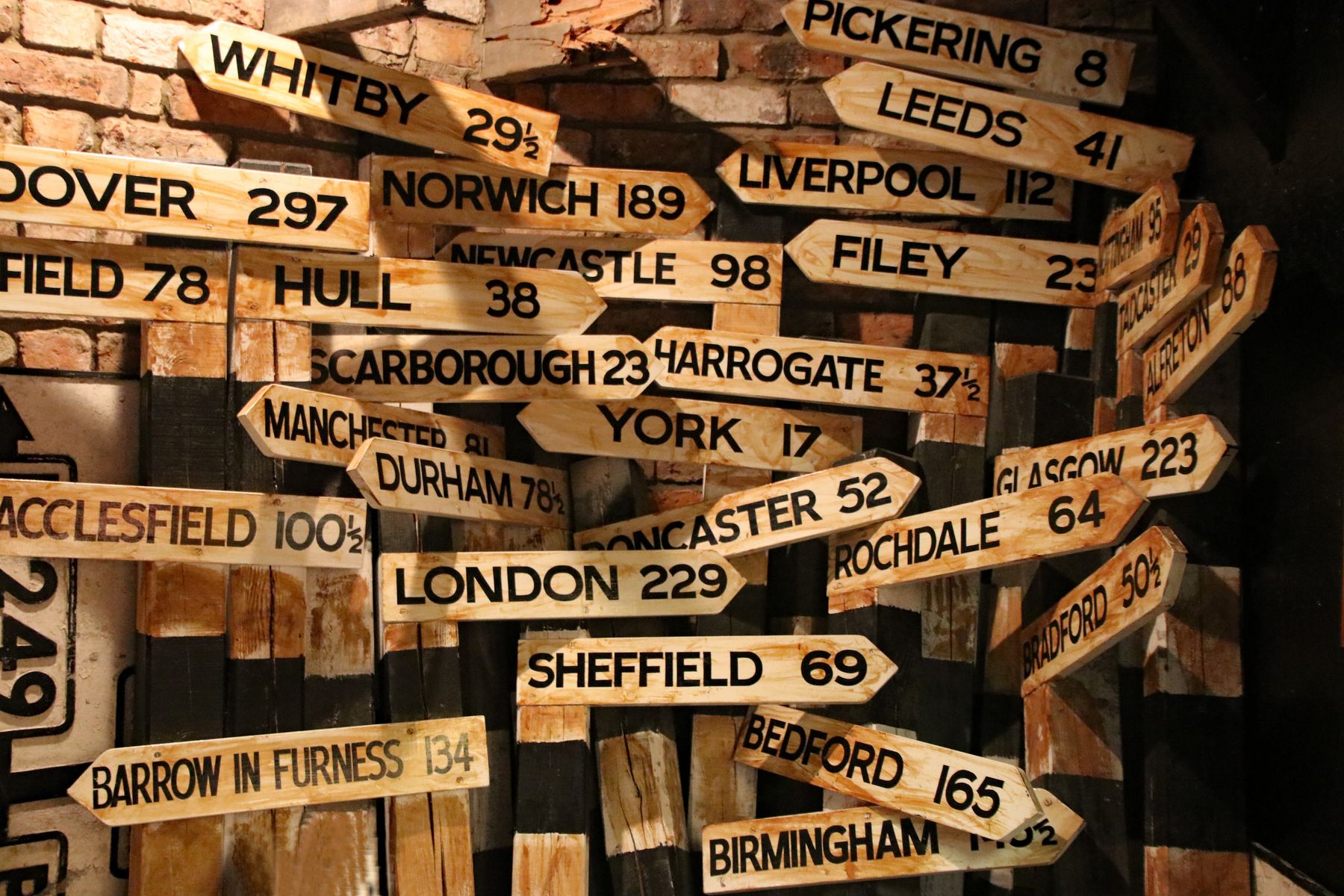
Whitby is roughly 47 miles from York. By car it is about 1 hour 15 minutes via the A64 and A169 over the moors, and the route past Pickering and through the Hole of Horcum is worth the drive alone. By train, the North Yorkshire Moors Railway runs seasonal steam services from Pickering to Grosmont, where you change for the Northern service to Whitby; it is slow and scenic rather than efficient. If you are coming from further afield, direct trains from York to Whitby are limited, so most visitors drive or take the coastliner bus from Leeds and York.
Once in Whitby, the abbey ruins on the East Cliff are the centrepiece. English Heritage charges an admission fee for the abbey and the nearby 199 Steps are free and steep. The churchyard of St Mary's next door is where the gravestones that inspired Dracula sit, and it is still an active churchyard, so keep voices down. The town itself splits between the east side, which is older and quieter, and the west side around the harbour, which has the fish and chip shops and the swing bridge. Book accommodation on the west side if you want restaurants and pubs within walking distance; the east side is better for views and early mornings.
Day Three: Coast, Abbey and the Journey Back
Spend the morning on the east side before the crowds arrive. The abbey opens around 10am in season, and the 199 Steps are far more pleasant at 8am than at noon. Below the steps, Church Street has the Black Horse Inn and the town's oldest surviving buildings, and the harbour mouth with the two lighthouses is a ten-minute walk. If you have time, the beach at Sandsend, two miles north, is quieter than Whitby's Tate Hill and has a decent pub at the end of the valley. Allow two to three hours for the abbey, churchyard, steps and harbour before heading back.
The return to York takes the same 1 hour 15 minutes, or you can loop south along the A171 to Scarborough and pick up the A64, which adds about 40 minutes but gives you a second coastal town. If you are returning a hire car, York station has the main drop-off points. For a final night, staying in York rather than Whitby saves an early start if you are catching a train south. Rooms in York city centre typically run £90–£180 per night; Whitby is similar in summer but can drop to £60–£100 outside July and August. Book early for the Whitby Goth Weekend in April and October, when the town fills completely.
Before you book
The questions people ask about Grassington, answered with this month’s numbers.
A car makes Whitby far easier. Trains from York to Whitby are indirect and slow, often requiring a change at Middlesbrough or Grosmont. If you rely on public transport, base yourself in York and take the coastliner bus for a long day trip, but you will see less.
May, June and September give the best balance of weather, daylight and crowds. July and August are busiest and priciest. Avoid the Whitby Goth Weekend in April and October unless you book months ahead, as accommodation sells out across the town.
Most York ghost walks are story-led rather than frightening, but they run late and last around 90 minutes. Some operators run earlier family versions. For younger children, the York Castle Museum and the Whitby Abbey ruins are better daytime alternatives with real history.