Best Places to Stay in York 2026
 Rooftops and York Minster's towers rising above the medieval city walls at dusk
From medieval townhouses near the Shambles to riverside Georgian conversions and garden-view B&Bs in clifton and Bishopthorpe, York's accommodation scene rewards visitors who book beyond the obvious postcodes.
Inside the Walls: Staying in York's Historic Core
The city centre within the medieval walls puts you five minutes from York Minster, the National Railway Museum and the Jorvik Viking Centre, but rooms here command premium rates from Easter through September. Gillygate and Bootham Bar offer the best blend of walkability and value: you're still inside the walls but away from the tour-group swell around King's Square. Expect to pay £95–140 per night for a double in a Victorian terrace conversion with parking, versus £160–220 for equivalent space on Stonegate or Low Petergate. Book Gillygate properties for May or early June 2026 if you want apple blossom in the Museum Gardens and tables at Skosh or Roots without a six-week wait. The drawback is noise: Micklegate's late-night bars keep windows rattling until 01:00 Friday and Saturday, and cobbles amplify every bin lorry from 06:00.
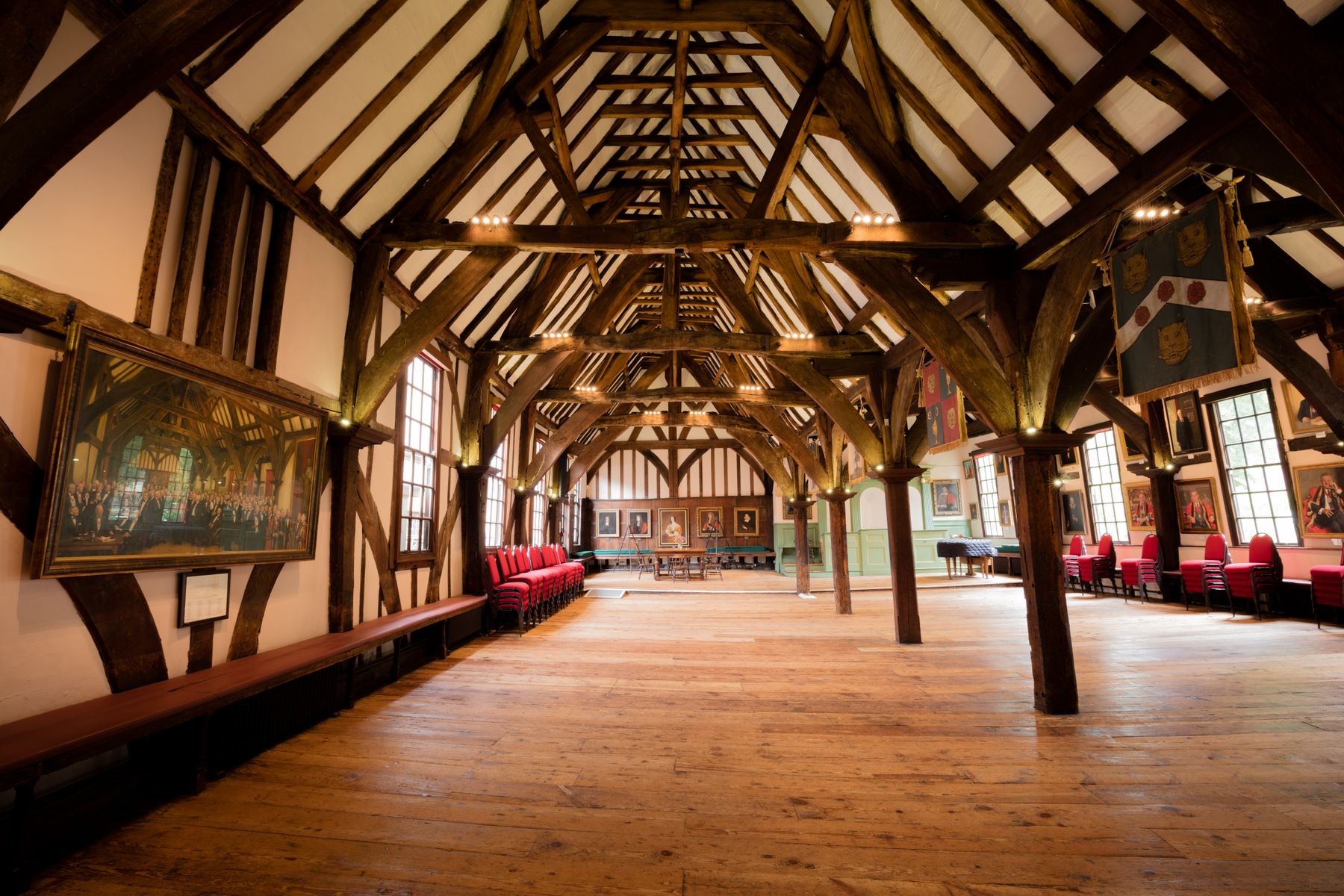
Petergate and Goodramgate sit at the medieval heart, with half-timbered facades and crooked staircases that make American guests pull out their phones. You're thirty seconds from Betty's Tea Rooms and the Shambles, but rooms are small—period buildings don't accommodate king beds or accessible showers—and you'll climb three flights with your luggage because listed-building rules prevent lifts. For families, this postcode doesn't work: nowhere to spread out, no adjacent twin rooms, and restaurants fill by 18:30 in summer. Instead, look at Monkgate or Heworth Green just outside Monk Bar, where Edwardian semis offer off-street parking, two-bedroom suites and a Tesco Express for morning milk runs. The walk into town takes twelve minutes along the city walls, past the minster's east end, and you save £40–60 a night versus the tourist core.
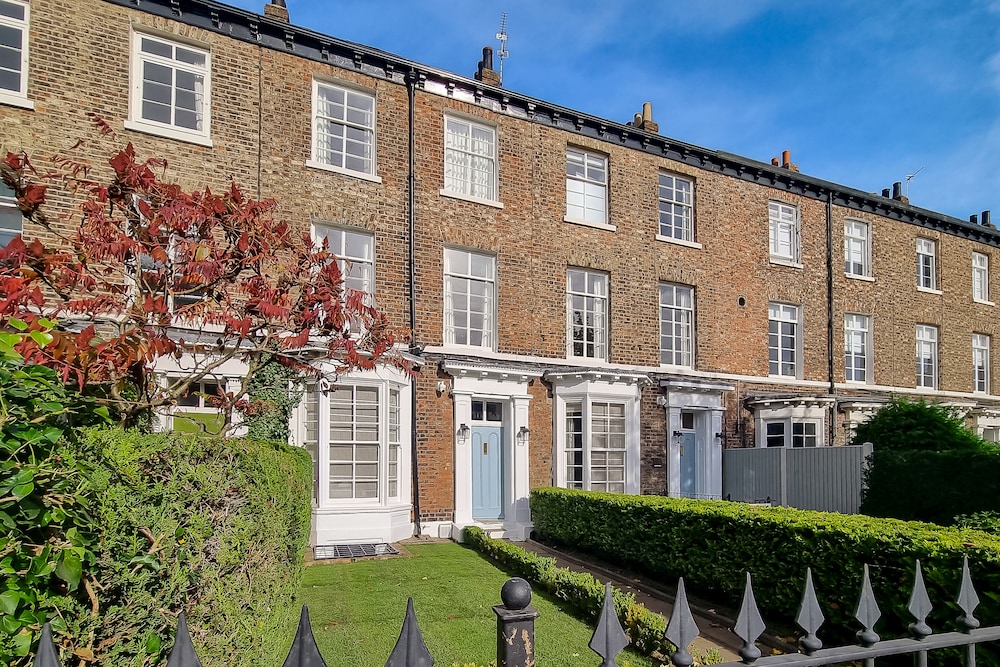
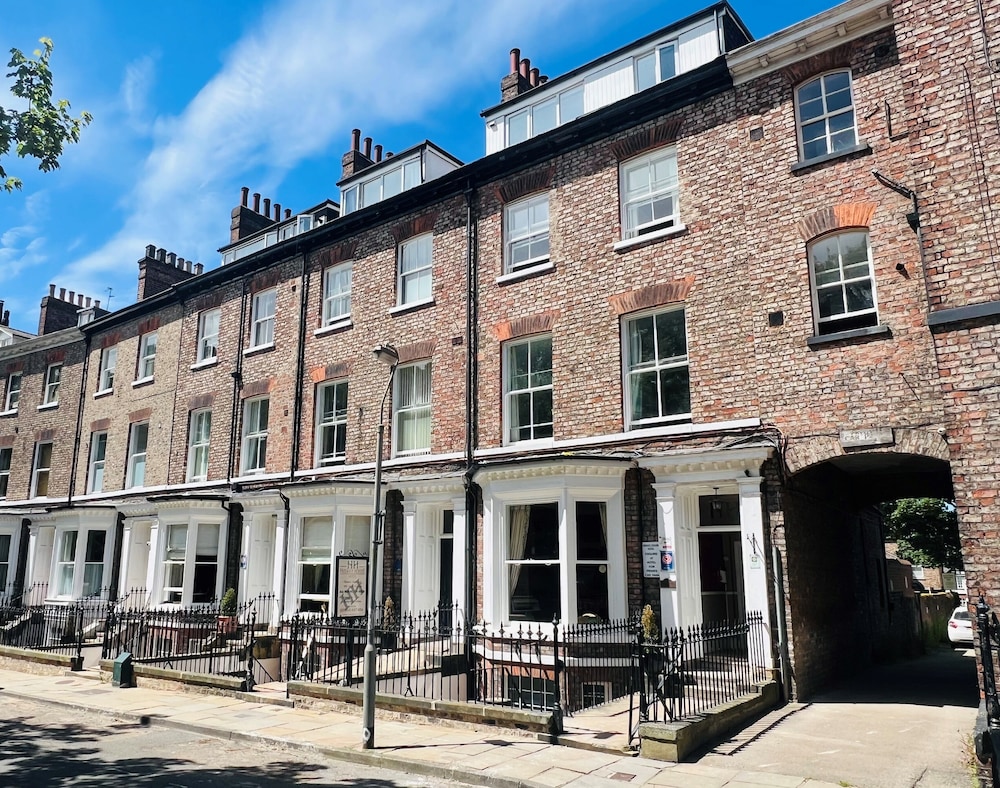
If you want character without the medieval compromises, the Museum Quarter around St Mary's Abbey delivers Georgian townhouses converted into boutique stays with underfloor heating, wet rooms and proper coffee machines. Marygate and Bootham Terrace properties sit 400 metres from the minster but feel residential—you'll see locals walking dogs in the museum gardens at 07:00 and hear the minster bells without the stag-do chants. Rates run £130–180 for a double in a restored 1780s terrace with sash windows and working fireplaces, often including a breakfast hamper with Bluebird Bakery sourdough and locally roasted coffee. Book these for mid-week January or February 2026 if you want lowest prices and tables at Skosh, Arras or Le Cochon Aveugle without advance booking; avoid York Races weeks in May, June and August when rates jump £50–70 and two-night minimums apply.
Clifton and Bootham: Family-Friendly Bases with Easy Parking
Clifton, just north of Bootham Bar, works for families who want a garden, parking and kitchenette without sacrificing walkability to the city's main sights. The neighbourhood stretches from Clifton Green to Water End along the River Ouse, lined with Victorian and Edwardian terraces converted into self-catering apartments and guesthouses. You're fifteen minutes' walk from the minster, five minutes from Homestead Park's playground, and you'll find a Sainsbury's Local, independent butcher and Haxby Road's cafés within 500 metres. Rates for a two-bedroom apartment run £110–150 per night in low season (November–March), rising to £160–200 during school holidays. The A19 carries commuter traffic from 07:30–09:00 and 17:00–18:30, but side streets like Clifton Dale and Burton Stone Lane stay quiet, with permit parking that guesthouses arrange for you.
Bootham, between the city walls and Clifton, offers the tightest access to Museum Gardens, the minster's west door and the Theatre Royal while retaining off-street parking and lower rates than the walled centre. Properties along Bootham Terrace and Grosvenor Terrace—grand three-storey townhouses built in the 1820s–1840s—now operate as upscale B&Bs with three or four guest rooms, charging £100–140 for a double with en suite and cooked breakfast. You're eight minutes' walk from York Station via Museum Street, useful for arrivals and day trips to Whitby (1hr 40min), Scarborough (50min) or the North York Moors. The neighbourhood lacks evening dining beyond the pubs on Gillygate, so plan to eat in the city centre or bring picnic supplies from the Friday Shambles Market if you're self-catering. Book Bootham for shoulder season—April, late September, October—when you want crisp walking weather, manageable crowds at Castle Museum and Treasurer's House, and £20–30 nightly discounts versus peak summer.
South of the Ouse: Bishopthorpe, Fulford and the Racecourse Villages
Bishopthorpe, four kilometres south along the A64, gives you a village feel with a fifteen-minute bus ride (number 11 or 415) into York city centre or a twenty-minute cycle along the Ouse via the riverside path. The village clusters around Main Street, with a Spar, two pubs, a primary school and the Archbishop of York's palace gardens open select weekends in summer. Accommodation here means renting a cottage or staying in a farmhouse B&B on Sim Balk Lane or Chantry Lane, where doubles run £80–110 per night and you'll have a private garden, parking for two cars, and space to spread out after days sightseeing in York or driving to Castle Howard (thirty minutes northeast). Bishopthorpe suits couples touring the region who want a peaceful base and don't mind a car dependency; the last evening bus back from York leaves at 22:45, and taxis cost £12–15.
Fulford sits closer in, just over Skeldergate Bridge, with streets of post-war semis and a cluster of guesthouses along Fulford Road (A19). You're two kilometres from York Minster, walkable in twenty-five minutes or a seven-minute bus (number 10, 13 or 415) that runs every ten minutes until 23:00. Fulford trades central location for practicality: multiple supermarkets, the Designer Outlet (walk or bus in fifteen minutes), and Fulford Golf Club if you want a morning round before touring the Jorvik Centre. Doubles in Fulford guesthouses cost £75–100, often including parking and a full Yorkshire breakfast with black pudding and Duncombe's sausages. The neighbourhood isn't picturesque—main-road traffic, standard English suburban architecture—but it delivers reliability and saves you £40–60 nightly versus equivalent space inside the walls. Book Fulford if you're combining York with a North York Moors driving loop, need easy access to the A64 for Castle Howard or Helmsley, or want budget flexibility to spend more on dinner at Skosh or The Star Inn the City.
The racecourse area—Knavesmire and Dringhouses—lies southwest of the city centre, adjacent to the Knavesmire grassland where York Racecourse hosts meets from May through October. Guesthouses on Tadcaster Road and Knavesmire Road offer purpose-built en-suite rooms with off-street parking, charging £70–95 per double except during race weeks (Dante Festival in May, Ebor Festival in August), when rates double and availability vanishes. You're three kilometres from the minster, twenty minutes on the number 12 or 13 bus, or a pleasant thirty-minute walk through Rowntree Park and along the riverside path. This postcode makes sense if you're visiting York as part of a broader North Yorkshire tour—Castle Howard, Fountains Abbey, Whitby—and want to minimize time navigating the city centre's one-way systems and resident-parking zones. The neighbourhood itself offers chain supermarkets, a retail park and standard suburbia; you're here for the convenience and cost savings, not the atmosphere.
Beyond the City: Staying in the Vale of York Villages
Stamford Bridge, eleven kilometres east on the A166, puts you in a working village with a Roman fort site, a Tuesday market and none of York's tourist infrastructure. Accommodation here means a pub room at the Swordsman Inn (doubles £70–85 including breakfast) or a self-catering cottage along Church Lane, where you'll have a private garden, parking and a Coop for groceries. The village sits on the River Derwent, with footpaths to Low Catton and Buttercrambe for morning walks, and you're a fifteen-minute drive to York city centre via the A166 or a thirty-minute bus ride (number 10, hourly service until 18:00, no Sunday service). Stamford Bridge works if you're visiting York for history—the 1066 battle site sits at the village edge—touring the Wolds or the East Riding, or want genuinely local accommodation outside the tourism economy. You'll eat at the Swordsman or drive into York for dinner; the village has one café (closes 16:00) and a fish-and-chip shop (Fridays only).
Poppleton, on the northwest edge where the A59 meets the A1237 outer ring road, offers a suburban village with direct bus links (number 1 or 6, every fifteen minutes) into York city centre in twelve minutes. The neighbourhood splits into Upper and Lower Poppleton, both with primary schools, churches, a large Tesco and clusters of Victorian and post-war housing. B&Bs here charge £65–90 for a double, often family-run places with two or three guest rooms, off-street parking and cooked breakfasts featuring eggs from a smallholding in Nether Poppleton. You're six kilometres from York Minster, close enough for easy city access but removed from tourist crowds, and well positioned for day trips to Harrogate (twenty-five minutes via A59), Knaresborough and the Dales. Poppleton delivers practicality over charm: you stay here to save money and access York efficiently, not for Instagram-ready village scenes. Book Poppleton if you're travelling by car, want lowest nightly rates without sacrificing convenience, or need space for children and don't require evening walkability to restaurants.
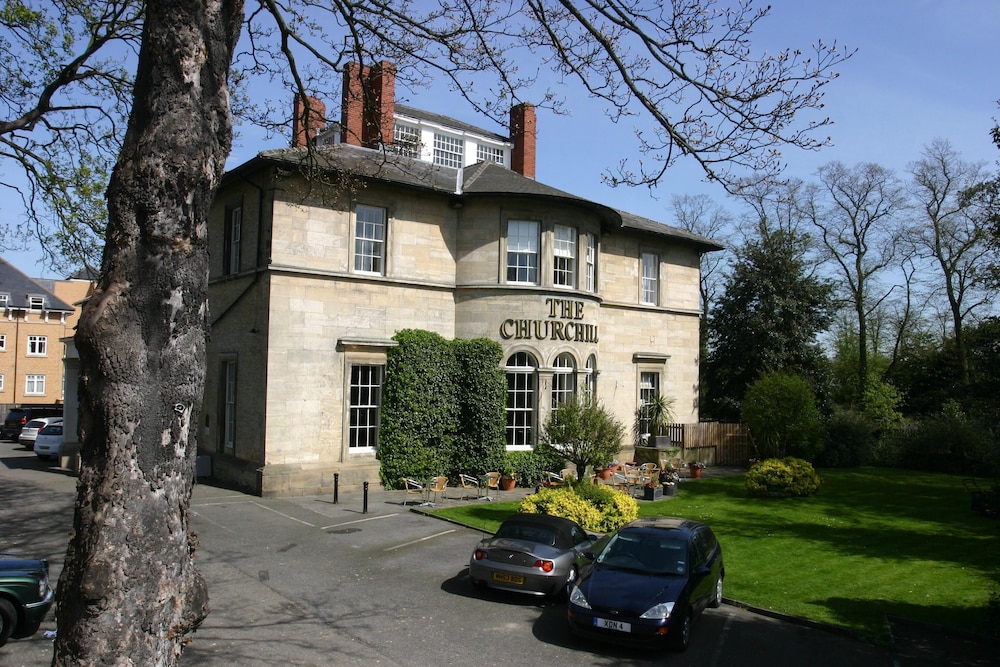
Escrick, thirteen kilometres south on the A19 toward Selby, sits in flat agricultural land with a historic park, a primary school and a handful of listed buildings along Main Street. The village offers limited tourist accommodation—one small B&B, occasionally a holiday cottage rental—but the Parsonage Country House Hotel on the A19 provides upscale rooms (£110–160 doubles) with restaurant, parking and garden views, aimed at wedding guests and travellers breaking the journey between York and Doncaster or Leeds. You're twenty minutes' drive to York city centre, thirty-five minutes to Castle Howard via A64, and fifteen minutes to the Designer Outlet. Escrick makes sense if you want a quiet rural base, plan to drive everywhere, and prefer a formal hotel with reception desk and restaurant over a B&B or self-catering flat. The village itself has one pub (the Black Bull), no shops beyond a post office counter in someone's front room, and footpaths into Escrick Park for morning walks. Book this if you're combining York with business in Selby or Leeds, attending an event at nearby venues, or want genuine countryside silence after days navigating York's pedestrianized streets.
When to Book and What You'll Actually Pay
Rates in York follow a clear seasonal pattern: November through March (excluding Christmas week) brings the lowest prices, with guesthouse doubles starting at £65–80 in Clifton or Fulford and rising to £95–120 inside the walls. April and October represent shoulder season with mild weather, manageable crowds and mid-range pricing—£85–110 in outer neighbourhoods, £120–150 city centre. May through September commands peak rates, especially during race weeks and school holidays: expect £110–160 in Clifton or Bootham, £150–220 inside the walls, and frequent two-night minimums on Fridays and Saturdays. York Racecourse meets—Dante Festival (mid-May), John Smith's Cup (early July), Ebor Festival (late August)—drive city-wide rate spikes of 30–50 percent and fill properties six months ahead; avoid these dates unless you're attending the races or don't mind paying summer prices in a city stretched to capacity.
Booking windows matter: reserve four to six months ahead for May half-term, summer holidays and Ebor week if you want specific properties inside the walls or family-sized apartments in Clifton. Shoulder-season stays (April, September, October) open up well at two to three months out, often with better rates as hosts adjust pricing to fill rooms. For winter travel, booking a month ahead works fine and sometimes yields last-minute discounts when hosts drop prices rather than leave rooms empty. The practical strategy: if you're flexible on dates, search mid-week in February, November or early December for best value; if you're tied to school holidays, book as early as hosts allow and focus on Fulford, Poppleton or Bishopthorpe where you'll pay 20–30 percent less than city-centre equivalents. Always compare room size, parking availability and breakfast inclusion—some city-centre properties charge £15 per person for breakfast and £12–20 daily for parking, turning an apparent bargain into a mid-range stay once you add the extras.
One tactical approach: book Clifton or Bootham for your first two nights to settle in, walk the city walls, visit the minster and National Railway Museum, then relocate to a Vale village or Bishopthorpe cottage for the second half of your trip when you're day-tripping to Castle Howard, Whitby, Fountains Abbey or the Moors. You'll average lower total costs, gain parking and space when you need it for touring, and experience both urban and rural North Yorkshire. Properties rarely enforce check-in minimums outside peak season, so you can feasibly book a single night in the city centre if you're breaking a longer journey, though two nights makes more sense to absorb York's museums, walls, churches and food scene without rushing. The city rewards slow exploration: the Minster alone justifies two hours, the Castle Museum and Jorvik Centre each take ninety minutes, and walking the complete medieval walls requires two to three hours depending on how often you stop for photos at Monk Bar or Micklegate.
What to Skip and Where to Focus Your Budget
Skip the overpriced boutique hotels on Lendal and Coney Street that charge £200–280 for twelve-square-metre rooms with stylish decor but no practical space: you're paying for lobby design and a postcode, not comfort or value. Similarly, avoid the large chain hotels on Rougier Street near the station—they serve conferences and business travellers with corporate rates, and you'll get better space, character and price in a Victorian terrace B&B ten minutes' walk north in Bootham or Clifton. The riverside hotels along King's Staith look attractive on booking photos but suffer from late-night noise (bars, stag parties, Friday street life) and restricted parking; you'll spend twenty minutes circling for a space on Saturday check-in and pay £15–22 daily for a car park five minutes away. If you want a river view, book a Georgian townhouse on Marygate where you overlook the Museum Gardens and Ouse from a quieter stretch, or stay in Bishopthorpe where the riverside footpath runs past your door and you'll park in the property's drive.
Focus your accommodation budget on location that matches your itinerary: if you're car-free and spending three days exploring York's historic core, Bootham or Gillygate pays for itself in saved taxi fares and walking convenience. If you're driving the North York Moors loop, visiting Castle Howard and Fountains Abbey, then touring Whitby and Robin Hood's Bay, book Fulford or Poppleton for easy A64 access and free parking, and save £40–50 nightly to spend on admission tickets (Castle Howard £21.50 adults, Fountains Abbey £16) and seafood lunches in Whitby. The money you save by staying in Stamford Bridge or Escrick won't justify the inconvenience if you lack a car or plan to eat in York every evening; conversely, paying city-centre rates makes no sense if you're leaving at 08:30 each morning to tour the region and returning after dark.
Breakfast inclusion matters more than you'd expect: a full Yorkshire breakfast in a Clifton B&B costs the host £6–8 in ingredients but saves you £12–15 you'd spend at a café, and sets you up for active days walking the walls or cycling to Beningbrough Hall. Self-catering properties in Bishopthorpe or Stamford Bridge work if you prefer flexibility—picking up supplies at Sainsbury's and eating breakfast at 10:00 rather than a fixed 08:30 sitting—but you'll need to factor grocery costs into your budget. Room size also drives value: a fifteen-square-metre double in a Gillygate B&B at £105 per night delivers far better value than a ten-square-metre boutique room on Stonegate at £175, especially if the former includes parking and breakfast while the latter charges extra for both. Measure value by total daily cost (room + parking + breakfast), not headline nightly rate, and you'll make smarter booking decisions that leave budget for the experiences that matter: dinner at Roots, a minster tower climb, or a guided walk through the Shambles' medieval history.
Before you book
The questions people ask about York, answered with this month’s numbers.
Inside the walls puts you five minutes from the Minster and Shambles but costs £150–220 per night for a double with limited parking and small rooms in listed buildings. Outside in Clifton or Bootham you'll pay £100–140, get off-street parking and more space, and walk fifteen minutes to the same sights. Stay inside if you're car-free and want maximum walkability; choose Clifton or Fulford if you're driving the region or need family space and parking.
Clifton, just north of the city walls, delivers the best family value with two-bedroom apartments at £110–150 per night (low season), private parking, kitchenettes and Homestead Park's playground five minutes away. You're fifteen minutes' walk from the Minster and have a Sainsbury's Local nearby for groceries. Bootham and Fulford also work well, offering similar space and parking at comparable rates while keeping you within easy walking or short bus distance of the city centre.
Book four to six months ahead for May half-term, summer holidays and York Race weeks (Dante Festival mid-May, Ebor late August) when properties fill early and rates jump 30–50 percent. For shoulder season (April, September, October) two to three months works fine. Winter stays (November–March excluding Christmas) open up well at one month out, sometimes with last-minute discounts. Always check race fixture dates—the city fills and rates spike during meets.
Poppleton works car-free with number 1 or 6 buses running every fifteen minutes into York city centre (twelve-minute journey), and you'll find a large Tesco and village facilities within walking distance. Stamford Bridge has hourly number 10 buses until 18:00 (no Sunday service) but limited evening options. Bishopthorpe offers number 11 or 415 buses every thirty minutes until 22:45. Most other Vale villages require a car for practical access to York and regional touring—public transport exists but runs infrequently.
Most B&Bs and guesthouses in Clifton, Bootham and Fulford include full cooked breakfast (eggs, bacon, sausage, black pudding, toast) and off-street parking in their nightly rates of £75–140. City-centre properties often charge £10–15 per person for breakfast and £12–20 daily for parking, so always check what's included. Self-catering apartments and cottages in Bishopthorpe or villages typically provide parking and kitchens but no breakfast, requiring you to buy groceries for morning meals.